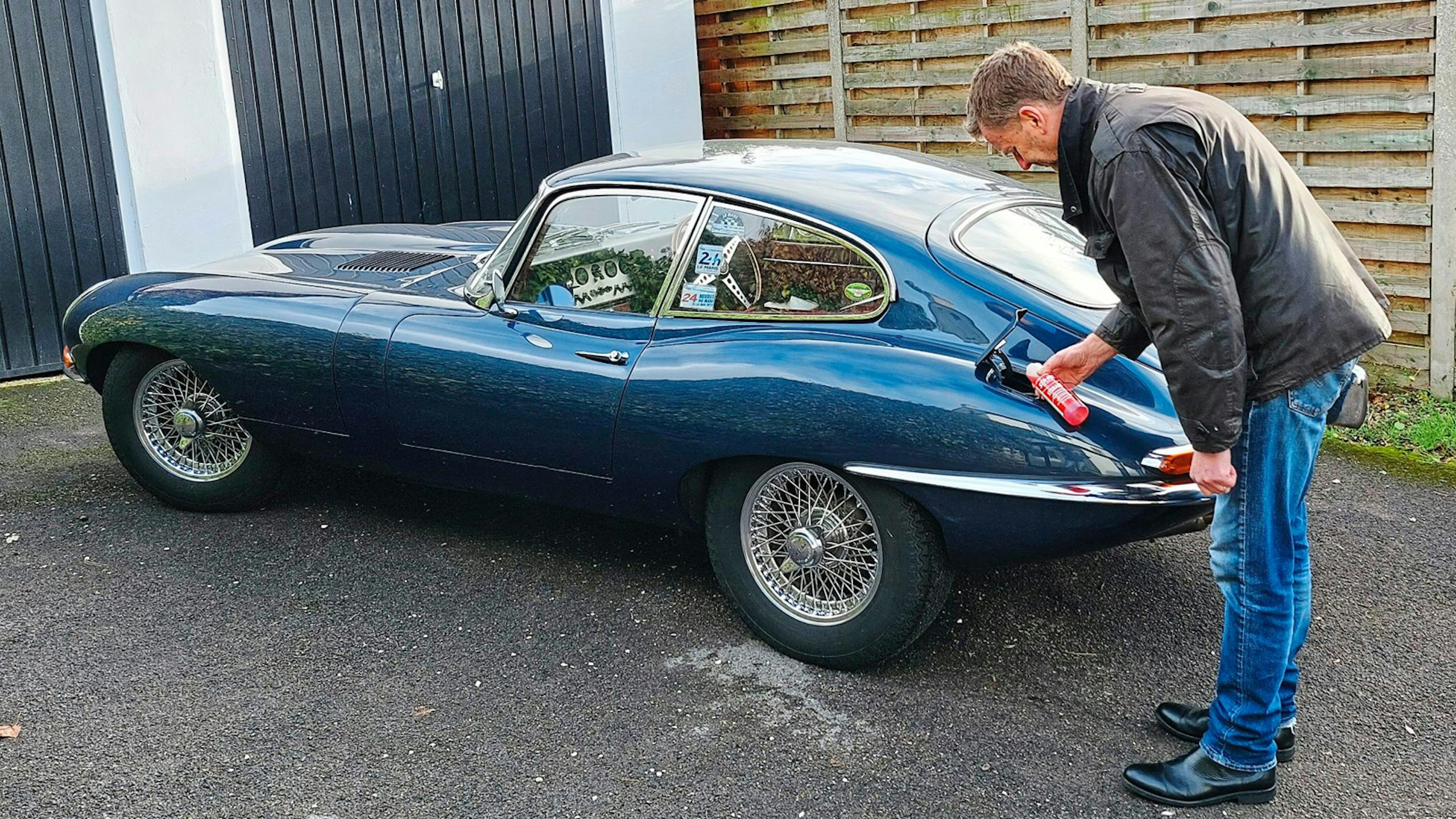
[ OUR CARS ] 1962 Jaguar E-type S1 FHC
Owned by Phil Bell (phil.bell@bauermedia.co.uk)
Time owned 16 years
Latest/total miles 240/111,818
Latest/total costs £12.59/£16,777
Previously Wipers became sentient
My last update left you on a note of frustration. What should have been a celebratory drive out on local lanes following success in improving the E-type’s starting and fuel-tightness was undermined by a collapsed headlining and wipers that refused to switch off on demand, except when they did. You might reasonably be expecting to read how, after maybe a little wrangling, I managed to wrestle both problems to the ground. Well, not this time because a more pressing job has arisen.
This time it’s a rare E-type task that requires little expenditure and almost no effort. I’d decided to try an alternative approach to preparing the car for laying up over the salt-encrusted weeks ahead. You see, my once gung-ho attitude to winter use was wiped out a few years ago when rust got hold of the front wheel arches. It seems no amount of post-drive washing can properly cleanse old cars of salt so now I have avoidance issues.
But hiding cars from the British winter replaces one set of threats with another, from flat-spotted tyres and wheel bearings to petrol degradation and ethanol-invited water contamination of the fuel system. Rust, acidic breakdown products of ethanol and loss of the most volatile fractions of petrol wreak all sorts of havoc on old, vented-to-atmosphere systems. Regularly used and re-fuelled cars are fine but I’ve always drained the entire system, from tank to filter to float chambers, since joining the winter layup brigade. Attempting to run the engine until everything is drained stops as soon as the fuel pump is trying to draw air, at which point everything from pump to carburettors is still full of old petrol.
Doing it properly is a tedious job that requires quite a lot of dismantling then fiddly re-assembly on the first joyous day of the year when you’re sure that all of that menacing winter salt has been fully rainwashed from the roads.
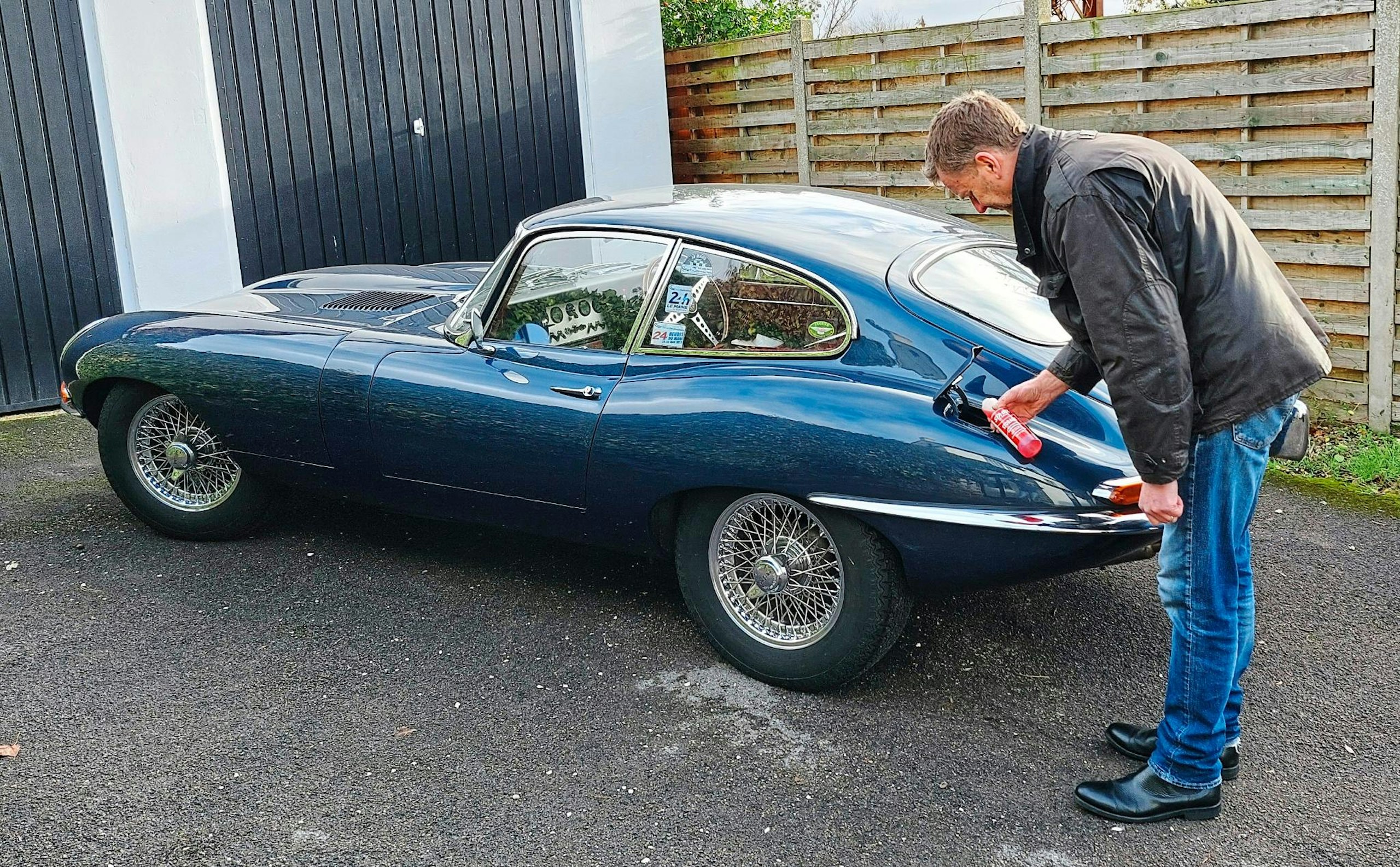
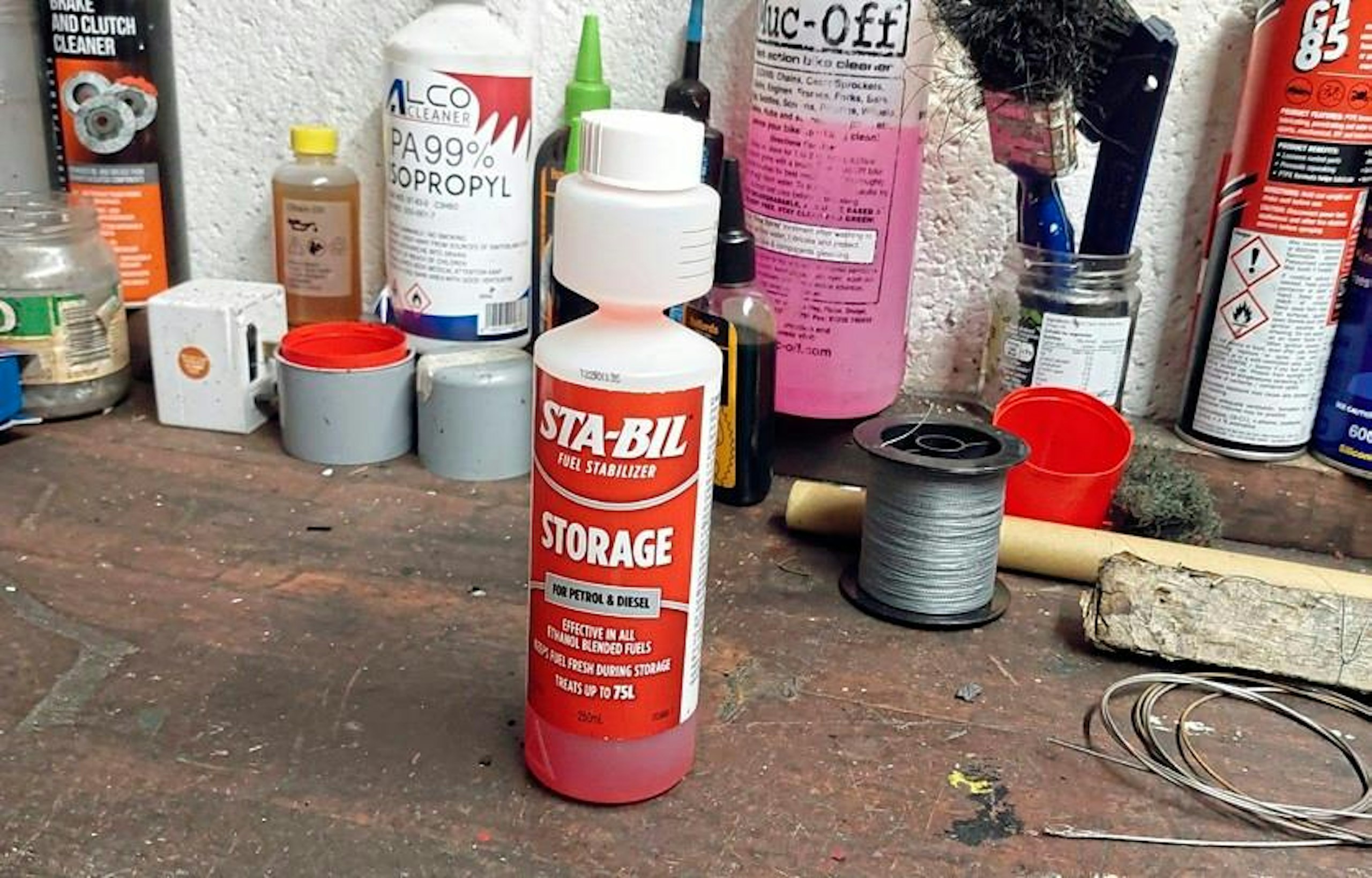
This year, I decided to try a bottle of Sta-bil fuel stabiliser instead, waiting for a day blessed with cleansed roads before heading to my nearest Esso filling station. Gone are the happy days when its E5 actually contained no ethanol, but that’s what I filled up with after squirting 190ml of Sta-bil into the near-empty tank. The influx of petrol from the nozzle is enough to ensure thorough mixing. The final step is to run the engine for long enough to ensure that the treated petrol purges the fuel system, a task – if you can call it that – completed on the drive home. I must have spent longer fielding questions from assorted curious fellow motorists than I did filling the tank, such are the joys of driving something distinctively old.
My route home balanced the desire to make the most of an unseasonably fine December morning and the need to return the car to my garage with the tank as full as possible to minimise the volume of air left above the fuel. Let’s see how well it starts next time.
Subscribe to Classic Cars today. Choose a Print+ Subscription and you'll get instant digital access and so much more. PLUS FREE UK delivery.