[ Buying guide ]
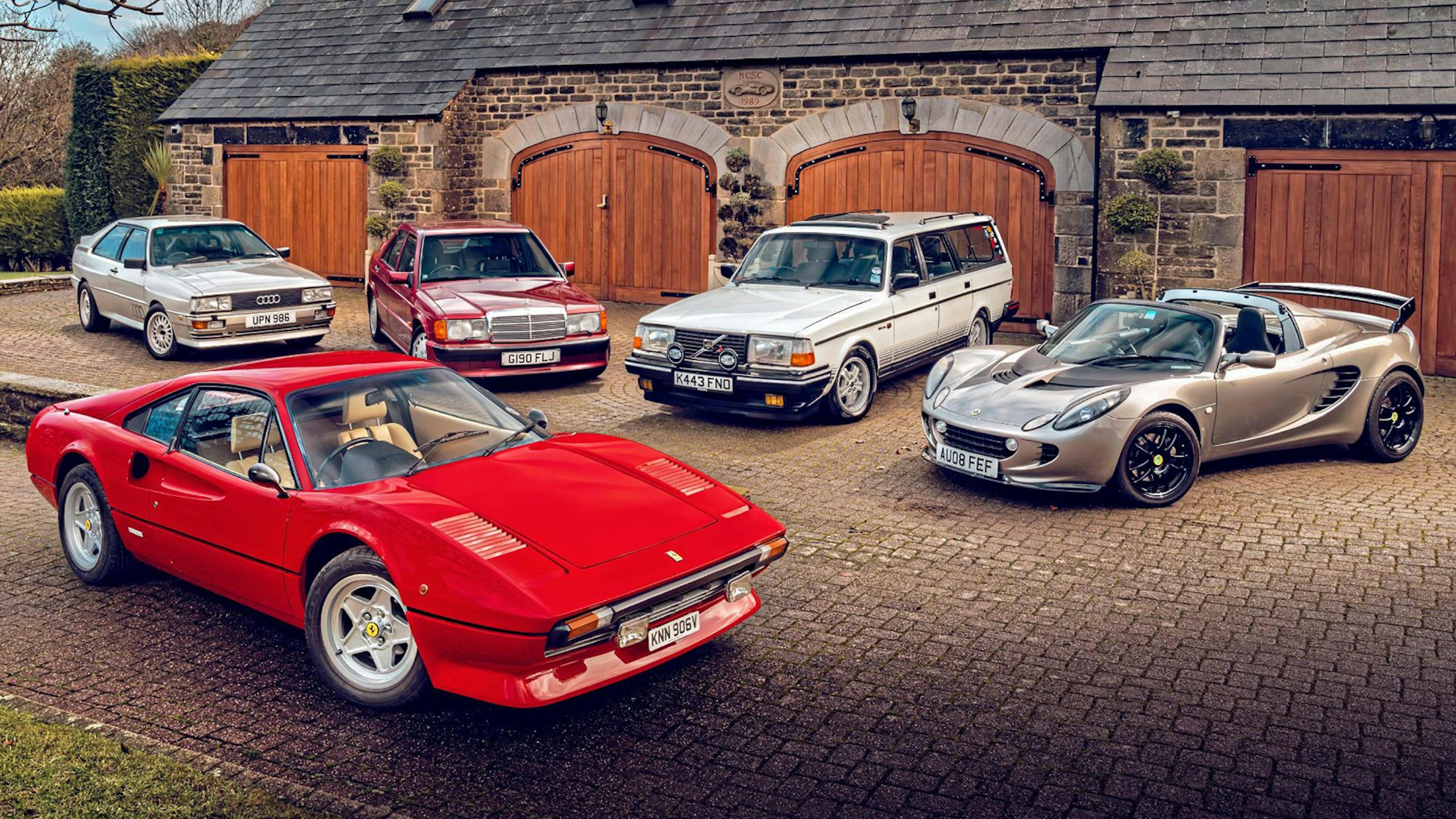
We’ve tracked the trends and crunched the numbers to reveal our top tips for the five best classic car buys in 2026. Tempted? Time to snap one up before the rest of the market wakes up
Words DAN SHERWOOD Photography ALEX TAPLEY
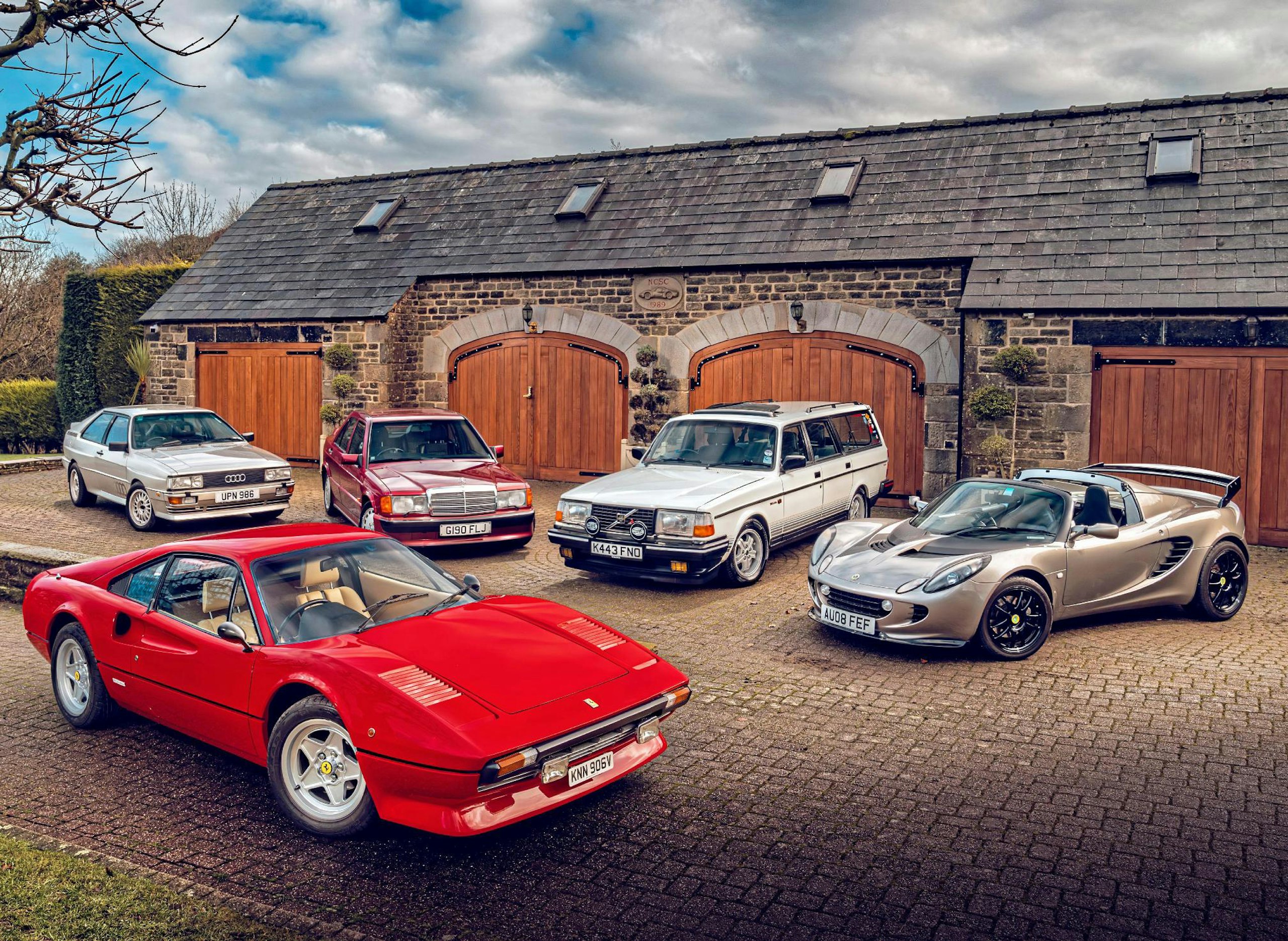
With the classic car market plateauing in recent years, the real opportunities now lie beneath the headline figures. By digging deeper and analysing the detailed pricing data from more than 1400 models tracked in our Classic Cars Price Guide, we’ve identified five desirable machines that are quietly trending behind the market. So far, this quintet of sleeping giants haven’t yet followed the upward trajectory of their peers but could easily become the hottest buys on the block.
Spanning a broad financial ladder – from an everyday classic to a junior supercar – each offers the chance to buy into a coveted model before fresh demand pushes prices higher. From a £5k Volvo estate to an £80k Ferrari icon, these are the smart buys for 2026 – classics that offer huge enjoyment today and the highest potential gains for tomorrow.
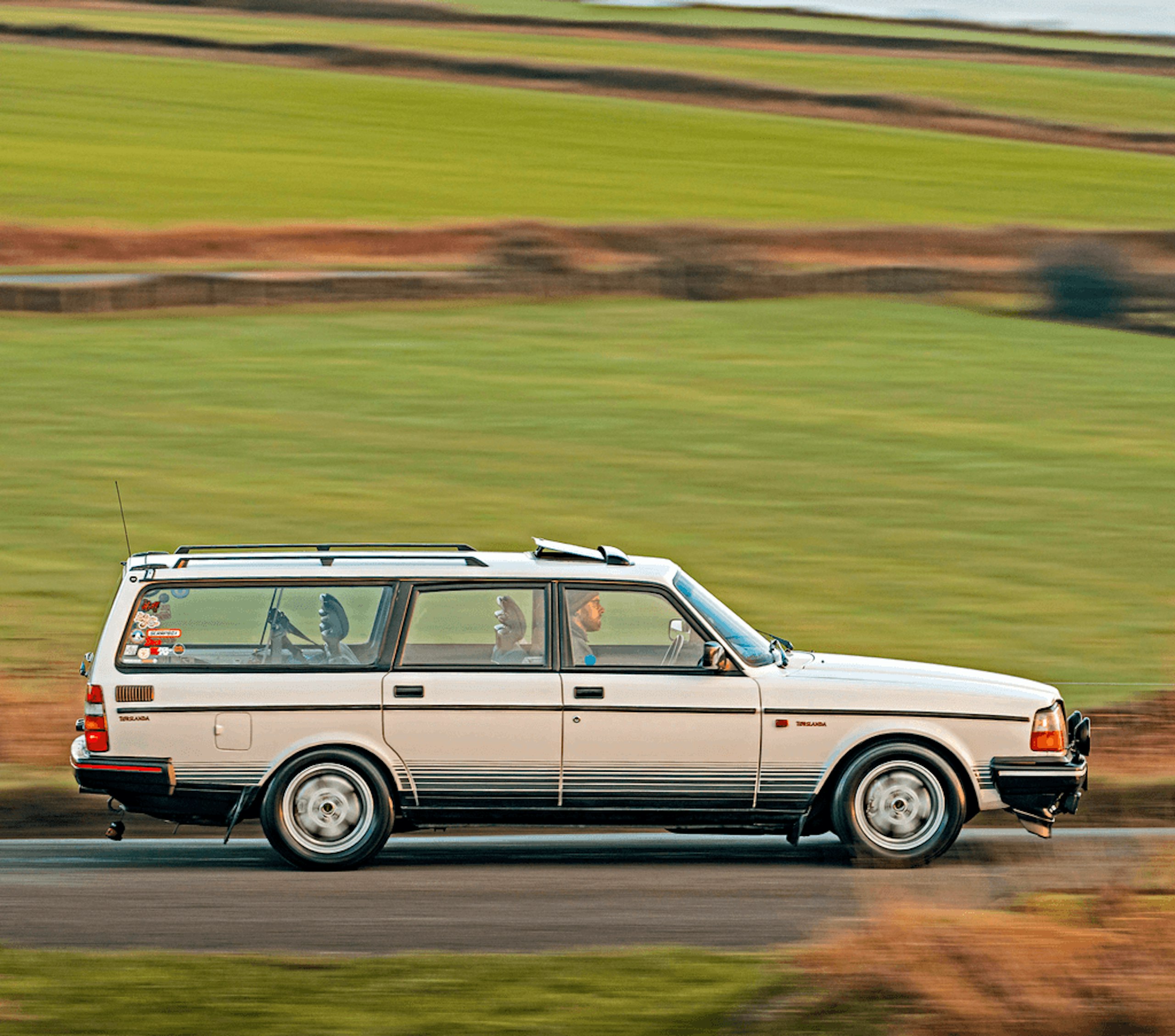
Few classic cars make such a persuasive case for everyday enjoyment as the Volvo 240 Estate. On paper, it’s about as glamorous as a filing cabinet, yet behind the wheel, its depth of character explains why values are finally on the rise. Add in geek-chic status, and you can see why it’s gained a cult-like following of younger drivers, proving it really is hip to be square.
Launched in 1974, the Volvo 240 was an evolution of the previous 140 series but brought meaningful technical progress. Overhead-cam engines replaced old pushrod units, MacPherson strut front suspension modernised the driving experience, and the interior and exterior were sharpened into the unmistakably squared-off form that would come to define the model, if not the company, for nearly two decades. Minor cosmetic updates aside, Volvo rarely tampered with the formula.
At its launch, the 240 was praised for its durability, practicality and class-leading safety, but rarely for excitement. Across its 19year production run, it was available as both a saloon and estate, powered by a variety of engines. Petrol options ranged from modest carburetted units to fuel-injected variants, alongside diesels sourced from Volkswagen in early cars. Four and six-cylinder engines spanned from 2.0 to 2.8-litres, with later turbocharged models bringing genuine pace.
It was the turbocharged cars that reshaped the 240’s image. In the mid-Eighties, Eggenberger Motorsport campaigned the 240 Turbo (dubbed ‘the Flying Brick’) in the European Touring Car Championship, winning the 1985 title outright. Volvo capitalised on the absurdity of its boxy estate troubling supercars, producing tongue-in-cheek advertising that cemented the model’s cult status. That irreverent vibe still resonates today, particularly with younger buyers who appreciate the model’s juxtaposition of overtly sensible styling cloaking surprising performance.
The car here is a limited edition Torslanda estate. Named after the Swedish town where the 240 was built, it was introduced in 1993 as a run-out model marking the end of production. Offered in a restricted colour palette of red, silver or white, it featured distinctive side stripes and 14in alloys, though this example now sits on 15in GLT wheels for a subtly sportier stance.
‘Behind the wheel, the Volvo’s depth of character explains why values are finally on the rise’
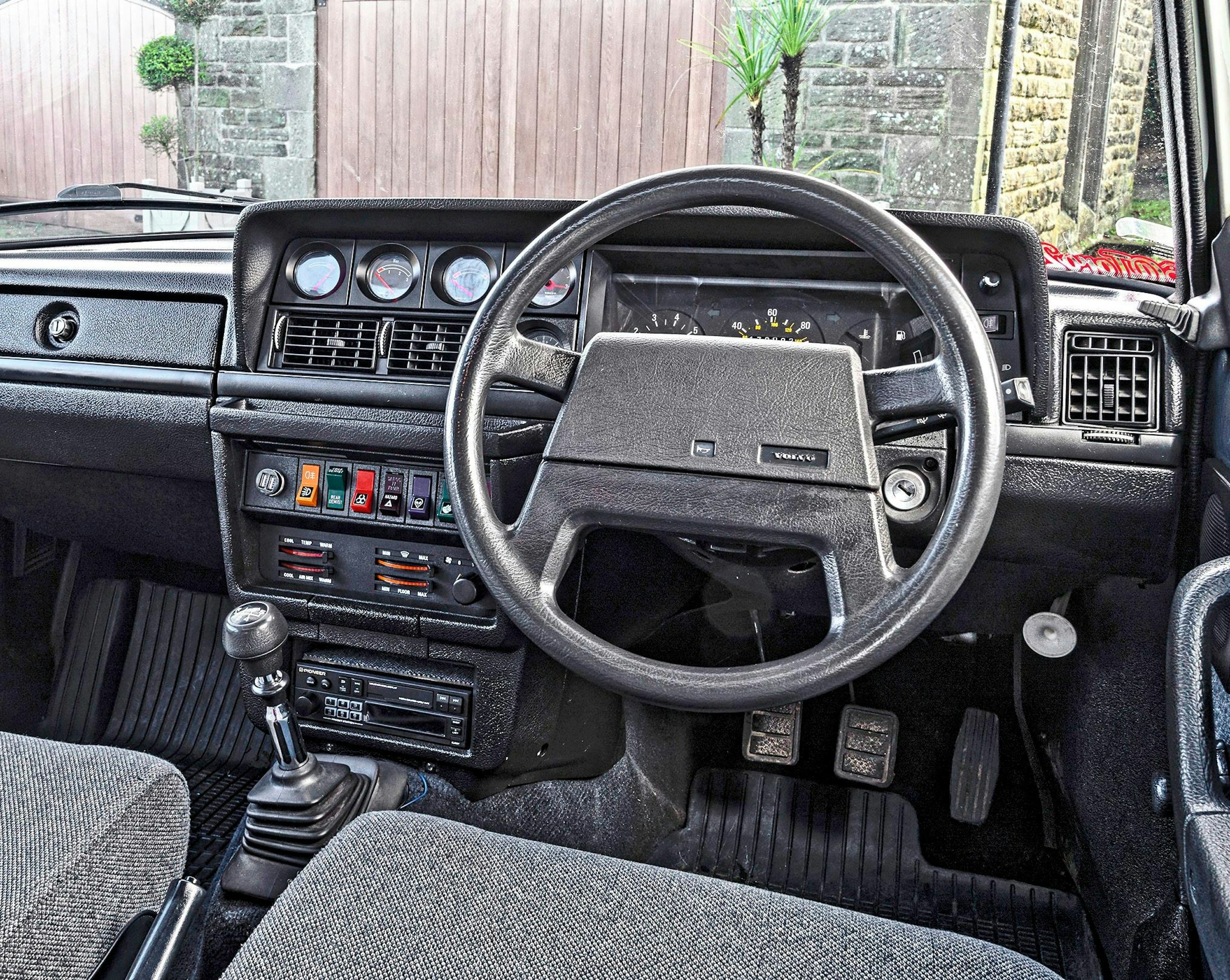
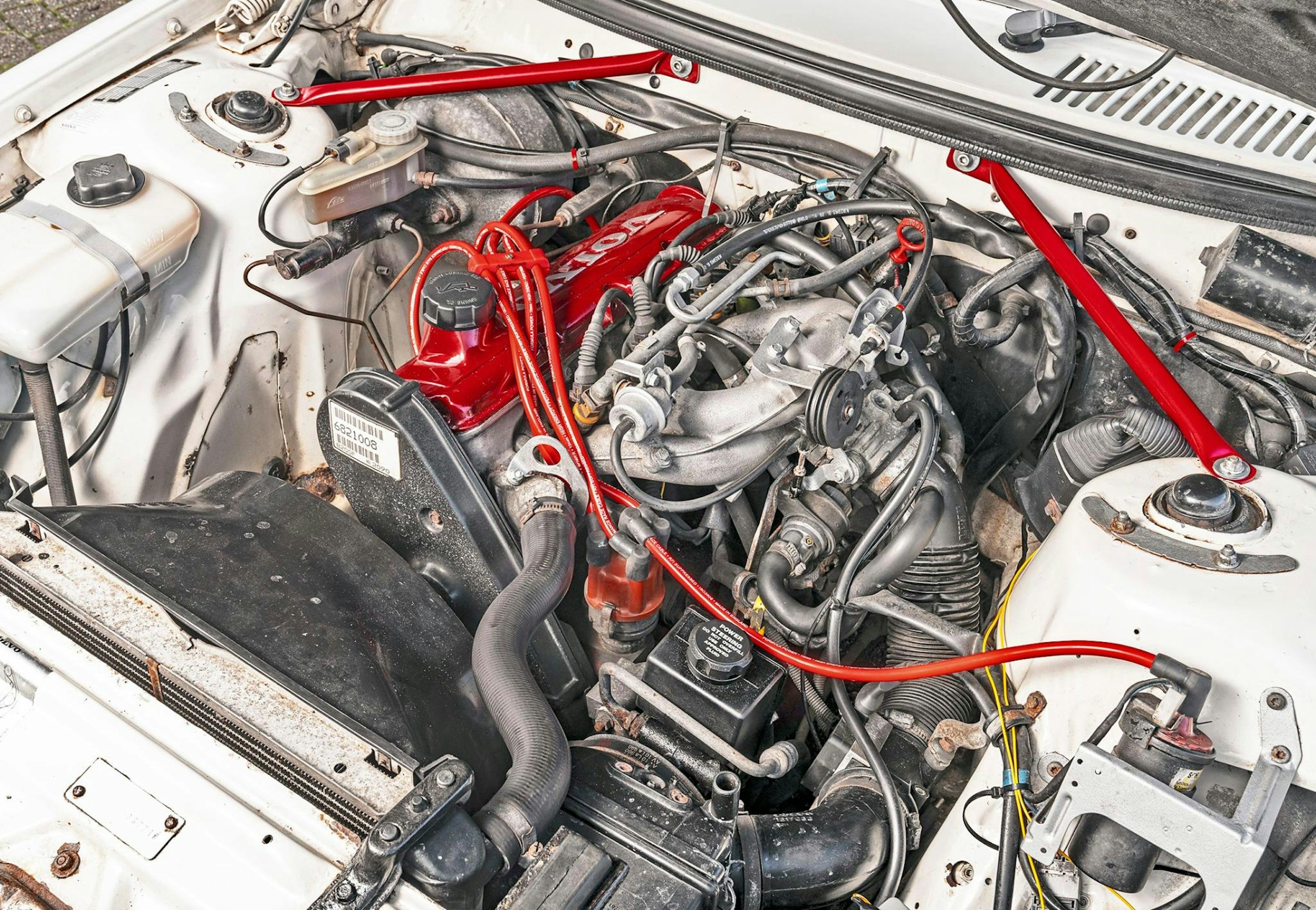
Inside, the overriding impression is one of solidity. The angular dashboard mirrors the exterior design, with switchgear that feels engineered to outlast fashion rather than follow it. The tweed-trimmed seats are comfortable, though light on lateral support, reinforcing the 240’s strengths as a long-distance cruiser rather than a corner carver. On the road, the Torslanda feels calm and unflustered. Steering is light but communicative, and the ride has a supple, old-school compliance that flatters the car’s bulk. The 2.0-litre B200F engine delivers its 111bhp smoothly and progressively, driving the rear wheels with a balance encouraging relaxed, confident progress. It’s not quick, but there’s a deep satisfaction in its measured, unhurried pace.
Visually, the 240 makes no apology for its unsubtle boxiness, prioritising function over fashion. Yet that lack of pretension has become its greatest charm. Once the preserve of architects, academics and sensible families, today, its underdog reputation, combined with legendary durability, makes it deeply appealing to buyers disillusioned with disposable modern motoring.
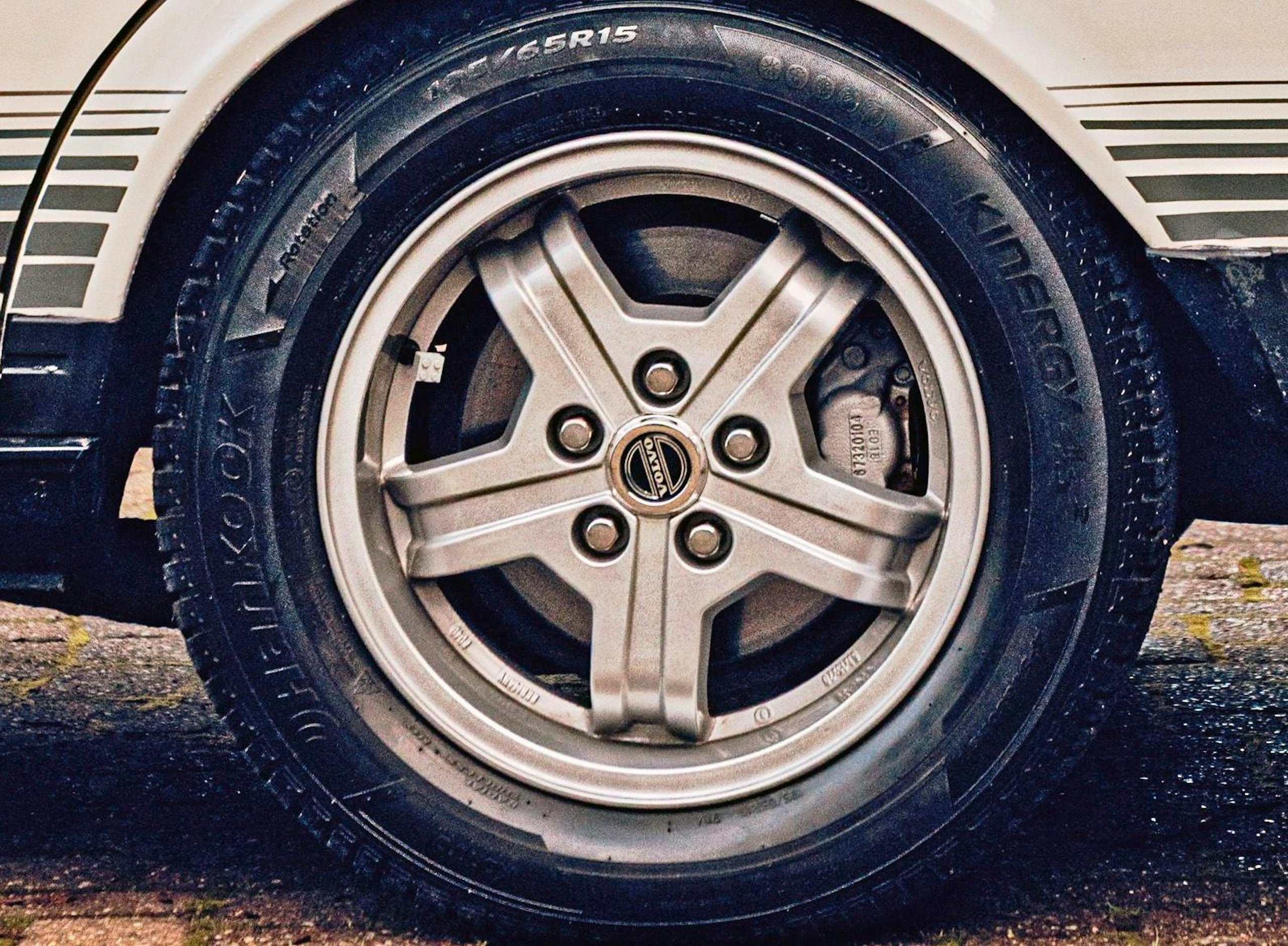
Despite rising interest, especially from younger buyers who are discovering this Volvo as a cool classic, values still lag behind comparable cars. BMW and Mercedes estates of the same era have climbed sharply, while the 240 remains relatively affordable, thanks largely to high production numbers and its utilitarian image. For buyers, condition matters most. Rust is the main enemy, particularly around wheelarches, sills, doors, front crossmembers and the spare wheel well. Mechanically, they’re tough, though tired rear springs and gearbox issues caused by leaking seals are worth checking for.
Prices start around £2500 for a usable example, rising to £5000-£6000 for a well-kept car, and up to £8500-plus for one in concours condition. Other Volvos such as the high performance T-5R and 850R and Seventies 244/264 are moving up, but the more pragmatic 240 estate offers unmatched usability, character, and depreciation-proof appeal, making it one of the most sensible – and satisfying – classic buys of the moment.
1993 Volvo 240 Torslanda Estate
Engine 1986cc, inline four-cylinder, sohc, Bosch LH-Jetronic 2.4 fuel injection
Power and torque 111bhp @ 5700rpm; 116lb ft @ 2800rpm
Transmission Five-speed manual, rear-wheel drive
Steering Rack and pinion, power-assisted
Suspension Front: independent, MacPherson struts, anti-roll bar. Rear: live axle with four trailing links and Panhard rod, coil springs, telescopic dampers, anti-roll bar
Brakes Front: vented discs. Rear: solid discs; servo-assisted
Performance Top speed: 109mph; 0-60mph: 13.0sec
Weight 1350kg (2976lb)
Fuel consumption 27.5mpg
Cost new £12,995
Classic Cars Price Guide £2500-£8500
Owning a Volvo 240 Estate
Professional gardener Ash Davison is the owner of this funky Torslanda estate, having bought it in 2014 for £3500. ‘It was in very bad condition when I got it,’ he remembers. ‘There was notable corrosion on the wheelarches, under the rear lights, and in the battery tray and tailgate. The exhaust was hanging off, too!’
To rectify his rusty 240, Ash paid a bodywork specialist £1500 to weld in new panels and repaint the car along with fitting a replacement tailgate. ‘Rust can be common because they’ve often led a hard life as a workhorse and family wagon,’ he says. ‘They’re not pampered in any way.’
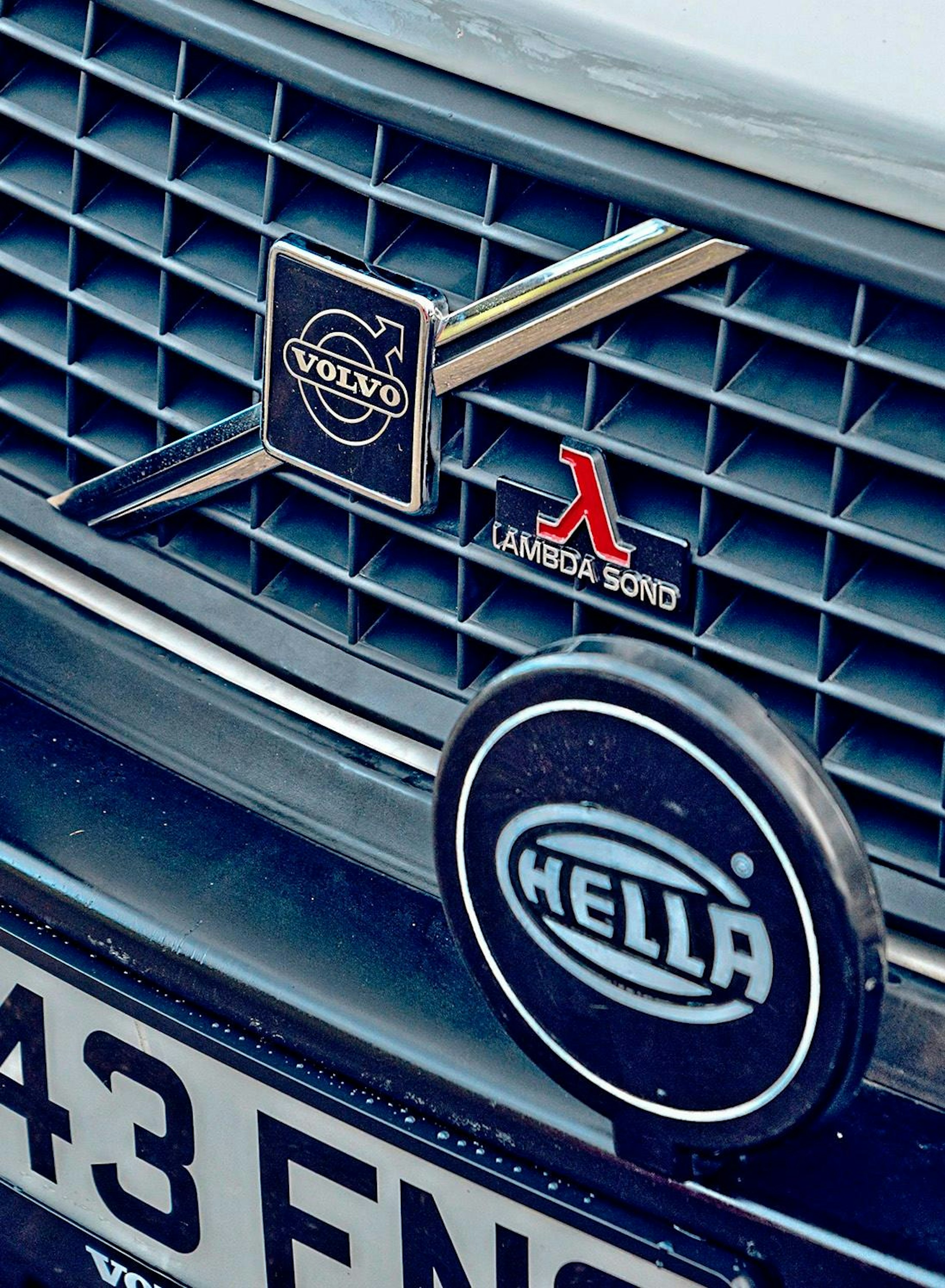
Ash’s car has been personalised with uprated lowering springs, GLT wheels and a custom centre console with retro-look Pioneer head unit. ‘The Torslanda isn’t the most desirable model, because it lacks some tech and has the lower-powered 2.0-litre engine, but it’s still got that retro vibe and is super practical, too.’ Parts are getting harder to come by, but specialists, such as Ashley Classics and Retros, offer good support for both parts and services.
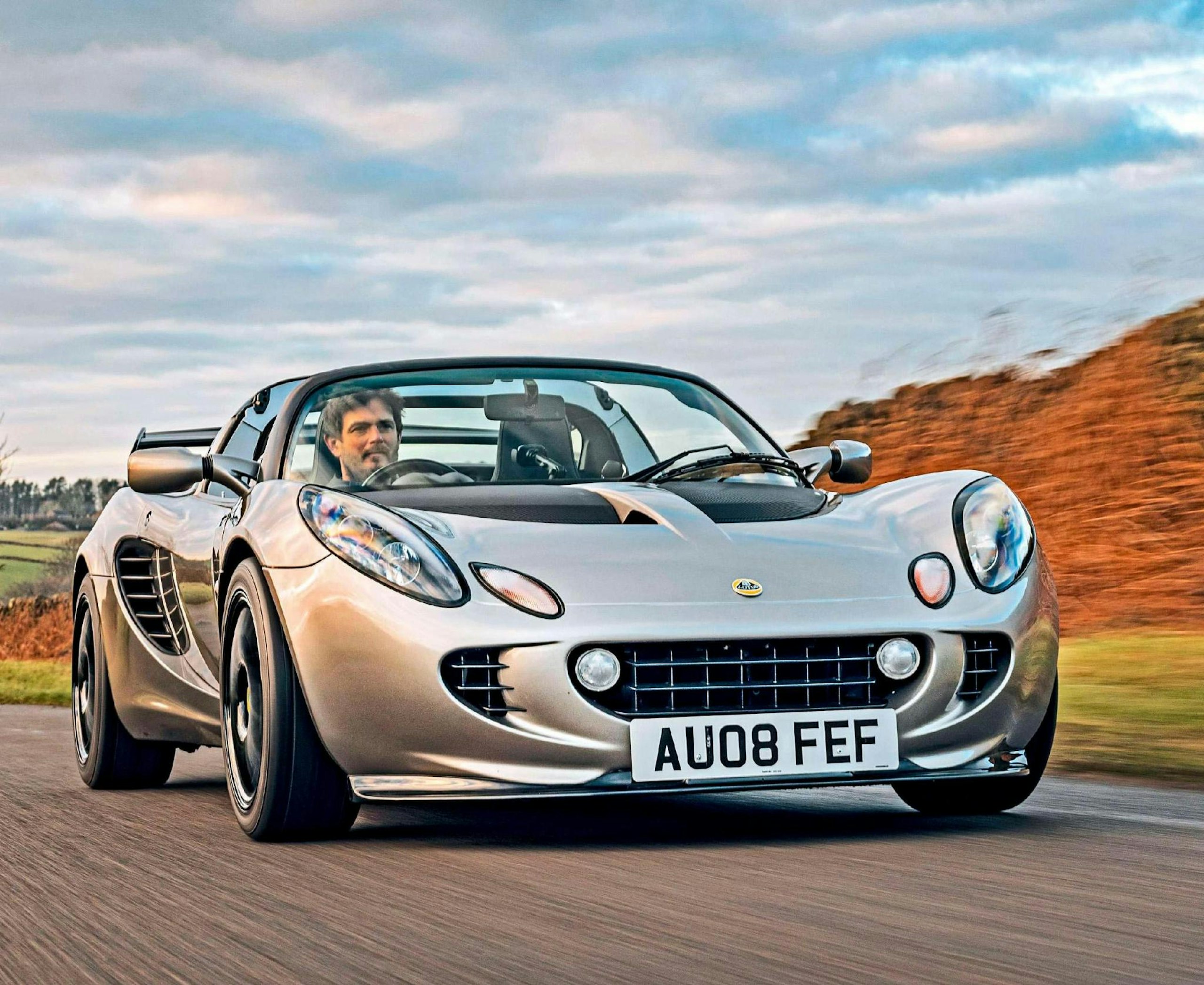
When it comes to driving purity, nothing rivals the Lotus Elise S2 111S. In an era increasingly defined by weight, complexity and digital intervention, the 111S stands as a reminder that lightness, simplicity and feedback matter. For the enthusiast who values involvement over outright speed, it is one of the most exciting buys on today’s classic market.
Introduced in November 2000, the Series 2 Elise marked a quite significant evolution of the original concept launched in 1996. Developed jointly with General Motors – in return for a GM-engined version for its Opel and Vauxhall brands – the second-generation Elise featured more aggressive styling inspired by the M250 concept.
The naturally aspirated 1.8-litre Rover K-Series engine from the S1 remained, now controlled by a Lotus-developed ECU giving 120bhp in base models. A stiffer chassis, improved aero and a more refined cabin also raised the bar over first-gen cars.
‘Grip levels are high, but it’s the Lotus’ balance and adjustability that truly impress’
Throughout its ten-year production run, the Series 2 Elise was offered in numerous variants, from entry-level models to hardcore track-focused editions. Engine options expanded to comprise Toyota-sourced units from 2004, including an intensely exciting supercharged model. But it’s the Rover-engined cars that are increasingly seen as the most authentic expression of the Elise philosophy. The 156bhp 111S is arguably the pick of the bunch, especially for enthusiasts with an eye for a smart buy. Values for all S2 Elises are gently rising, the 111S up almost two percent when compared to 12 months ago.
With its 1.8-litre Toyota 1ZZ-FE engine, the 2008 Elise S model we have here today offers much the same experience as the Rover-engined car. There’s no doubt it’s a cracking machine that offers all the thrills given by our smartest buy, but it comes with a higher point of entry and softer prospects for growth.
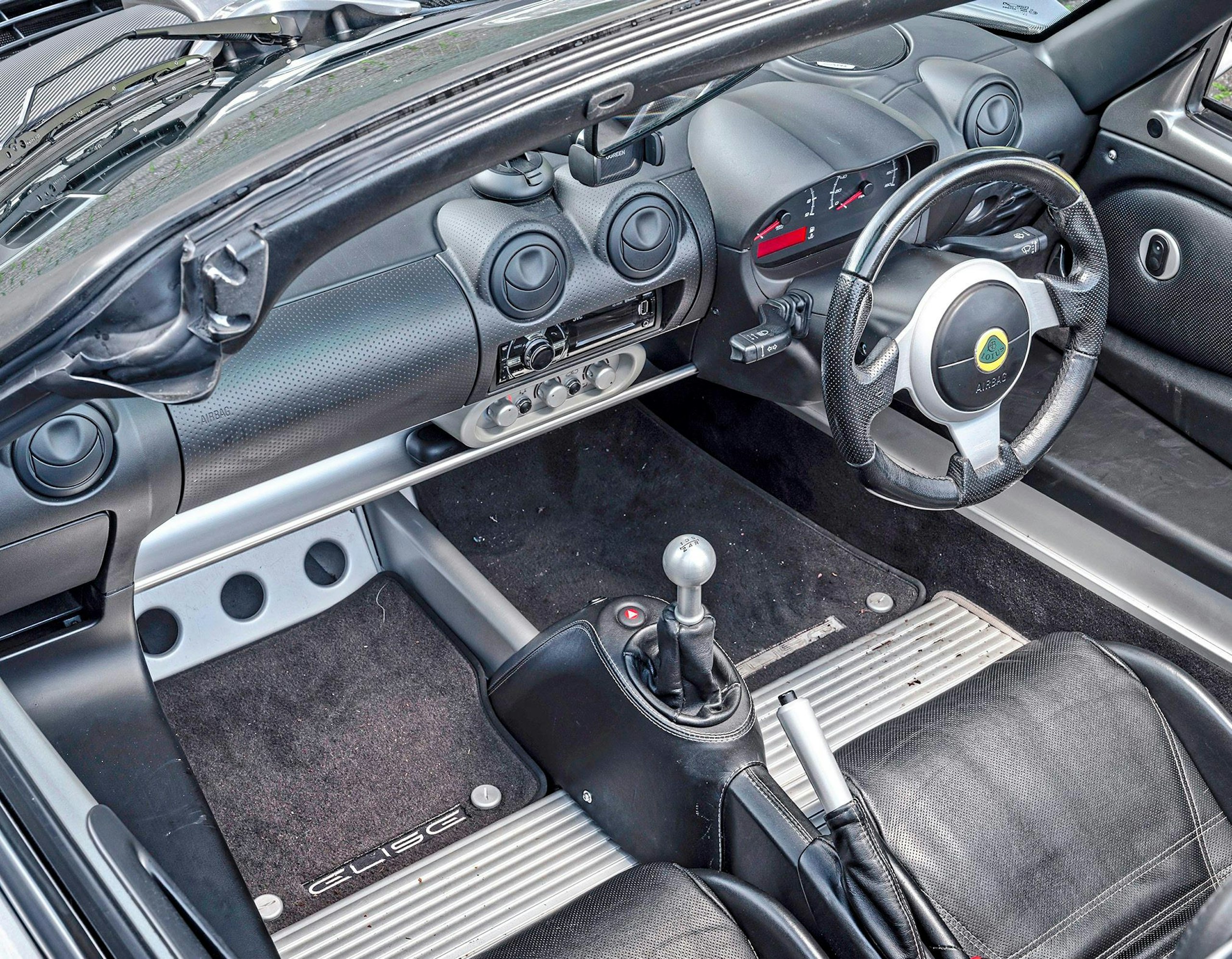
Open the driver’s door, and the compact cabin’s priorities are clear. High, wide sills and a low roof-line mean access requires the flexibility of a magician’s contortionist, but, once you’re suitably folded inside, the thinly padded and narrow seats provide the perfect go-kart-like driving position. And although creature comforts are minimal, the real sense of connection between man and machine is immediate.
The unassisted steering feels heavy during any lowspeed manoeuvres, but lightens up on the move, bristling with information feeding directly into your fingertips. The wheel itself is tiny and extremely direct, the chassis reacting to the smallest input with instant precision. When speed builds, the car feels featherlight, changing direction eagerly and flowing along a road with a delicacy few rivals can match.
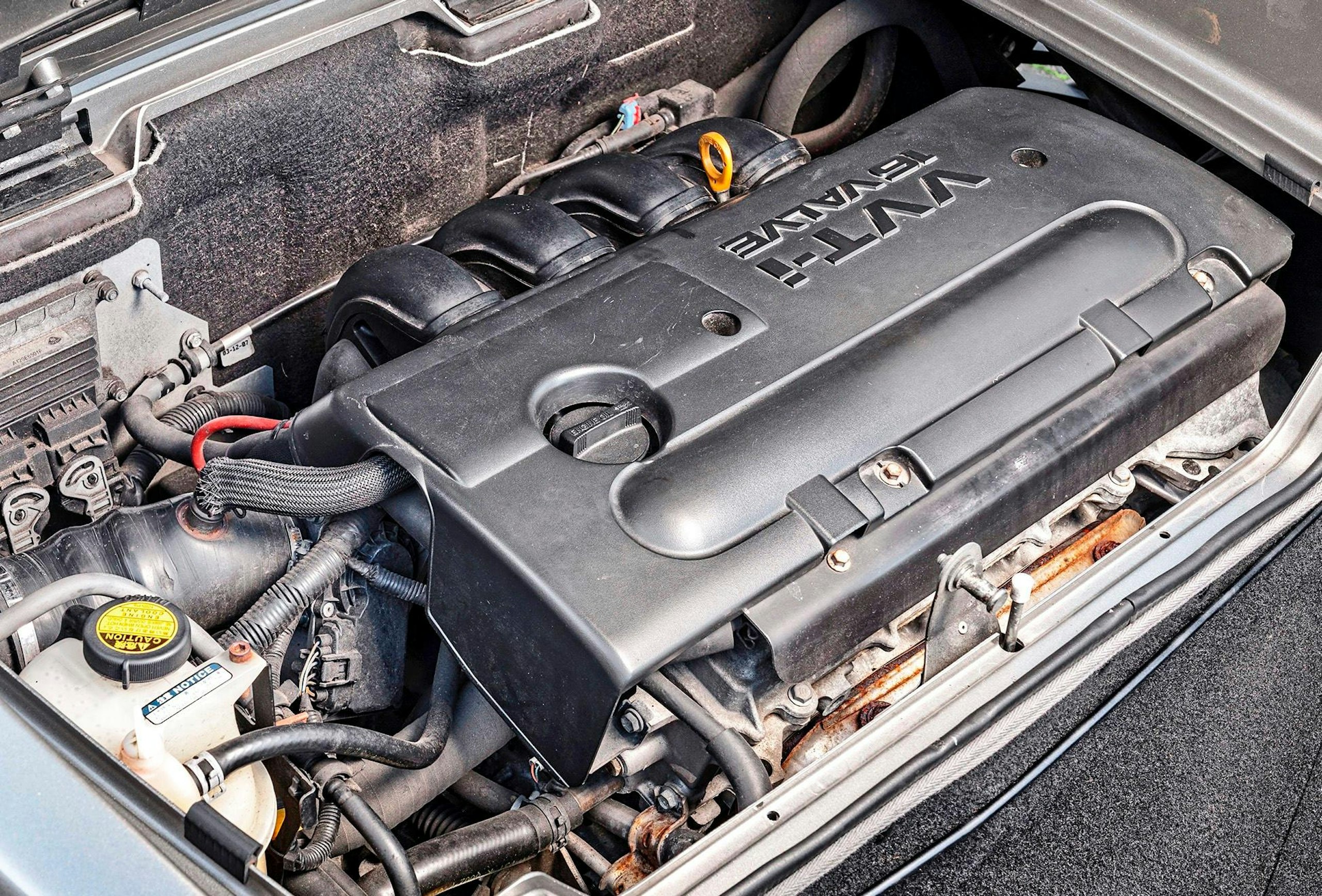
Like the K-Series engine, but with just 134bhp to play with, the Toyota unit delivers its power in a strong and linear fashion, encouraging you to properly work the five-speed gearbox and explore the upper reaches of the rev counter. Performance is brisk rather than brutal, but the sensation of speed is heightened by the proximity to the road and the unfiltered feedback.
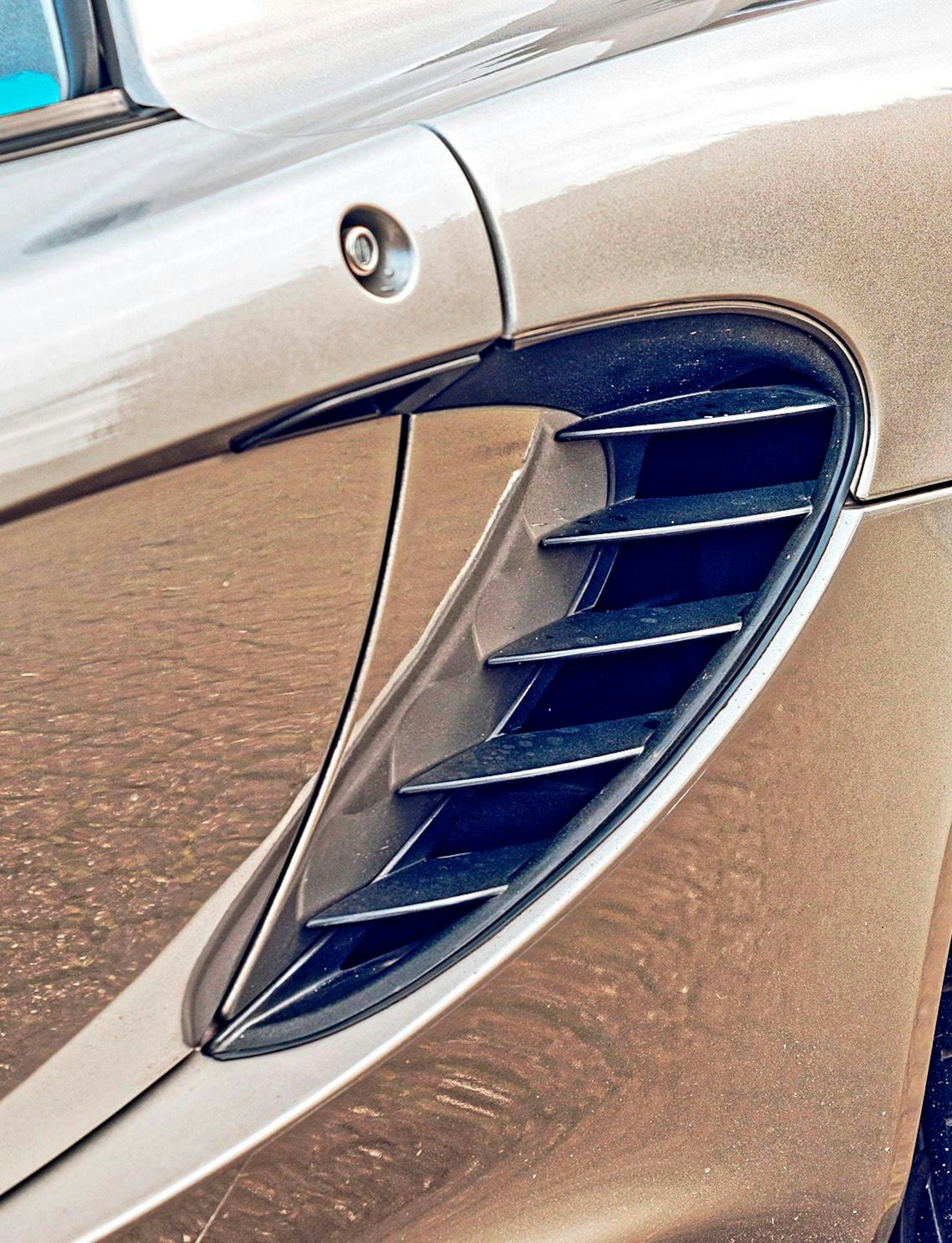
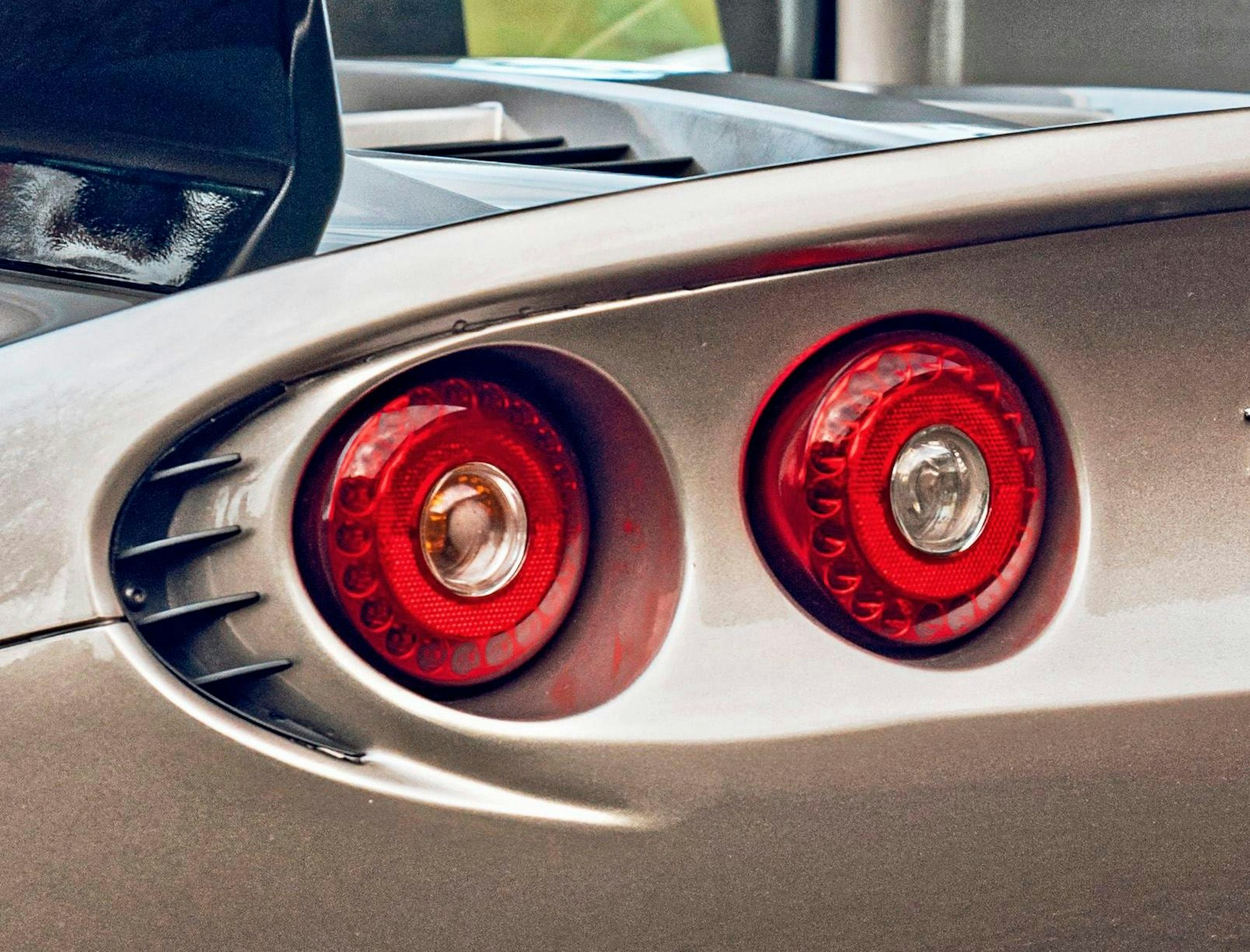
Handling is the Elise’s defining trait. Grip levels are high, but it’s the balance and adjustability that truly impress. There are quirks, though: storage is woeful, wet-weather use demands respect, and long journeys can be tiring. Visually, the S2 Elise refined the original’s design with sharply creased lines and better proportions, yet it remains functional. Reliability is largely good, parts support is strong, and the rewards are immense.
Today, that reputation is fuelling renewed interest. As modern sports cars grow heavier and more insulated, the Elise’s analogue nature feels more relevant than ever. But while all S2 Elise variants strike the sweet spot between performance and usability, making them highly desirable for those who like to drive their cars, prices for the K-Series-powered 111S have risen slower than many comparable modern classics. Early S1 cars and limited editions have already seen significant appreciation, while later Toyota-powered Elises continue to command strong money, leaving the 111S overlooked.
When buying, there are key considerations. Chassis corrosion is rare thanks to the bonded aluminium construction, but poor repairs to the glassfibre clamshell can be costly. Stone chips are unavoidable because of the car’s low-slung stance, but spider web stress cracks should be a red flag, or a hefty bargaining chip.
The K-Series engine’s reputation for cylinder head gasket issues is largely overstated if they’re properly maintained and driven with a degree of mechanical sympathy from cold, but cooling system health is vital because radiators are prone to leaking. Suspension bushes, dampers and clutches can wear, especially on cars used hard, so listen out for any clonking on the test drive and ensure the speed rises as expected with the revs. Expect to pay around £10,000 for a usable 111S with higher mileage, to nearer £12,250 for a well-kept car with good history. Mint or concours-level cars will command up to £20,000, but this is still less than a similarly pristine S1.
With values still trailing the broader market trend, the Elise S2 111S represents a rare opportunity – a genuinely iconic driver’s car that remains accessible, usable and poised for appreciation. It’s a modern classic whose time is fast approaching.
2002 Lotus Elise S2 111S
Engine 1796cc, inline four-cylinder, dohc, 16-valve, multi-point fuel injection with Lotus K4 ECU
Power and torque 156bhp @ 7000rpm; 129lb ft @ 4650rpm
Transmission Five-speed manual, rear-wheel drive
Steering Rack and pinion, unassisted
Suspension Front and rear: independent, double wishbones, coil springs, telescopic dampers, anti-roll bar
Brakes Front and rear: vented discs
Performance Top speed: 132mph; 0-60mph: 5.1sec
Weight 806kg (1777lb)
Fuel consumption 40.9mpg
Cost new £27,995
Classic Cars Price Guide £12,250-£20,000
Owning a Lotus Elise S
Forty-year-old Steve Neath from Dudley is new to Lotus ownership, having picked up the striking steel grey Elise S in our photos in December last year.
‘I’d wanted a Lotus ever since I was a kid, and was originally tempted by a supercharged Exige model,’ says the professional landscaper. ‘But after test-driving a few cars, I found myself longing for more creature comforts and a less hardcore driving experience. The S2 Elise S just seemed to tick all the boxes.’
Complete with a large rear wing, Steve’s car is an imposing-looking machine with the perfect combination of looks, performance and ease of use and ownership. ‘It sounds amazing, and my kids love it!’ Steve smiles. ‘I did notice a leaking damper soon after I bought it, but it was replaced under the warranty from Nick Cartwright Specialist Cars, who sold the car.’
Steve’s plan for the Elise is to add a few personal touches, such as a sat nav display and some extra carbon parts, but other than that, just to enjoy it.
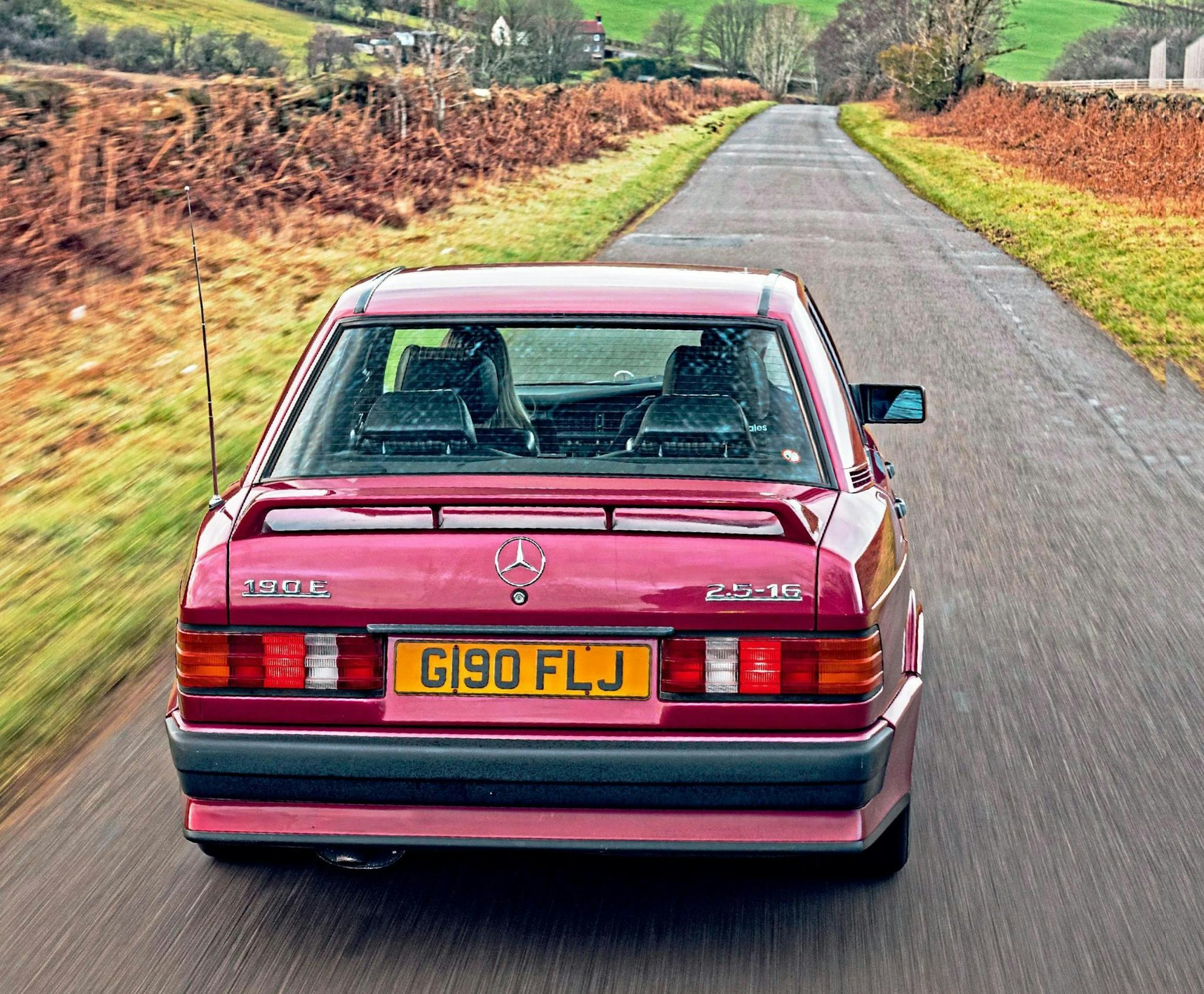
At first glance, the Mercedes-Benz 190E 2.5-16 Cosworth might not look like an obvious performance classic. Yet get behind the wheel, and it’s clear why this compact saloon has matured into one of the most captivating modern classics of the Eighties and Nineties.
Introduced in 1982, the W201 platform was Mercedes’ attempt at a compact executive saloon that would challenge the BMW 3 Series. The 16-valve variants arrived in 1983, initially with a 2.3-litre four-cylinder engine. Developed with Cosworth to homologate the 190E for competition, what began as a stillborn rally contender eventually hit the grid as a Group A racer in the DTM, the German touring car championship, where it battled the BMW E30 M3 for circuit dominance until the early Nineties. The road-going model was praised for its engineering sophistication, build quality and high-speed stability, though critics lamented its conservative image and relatively high price.
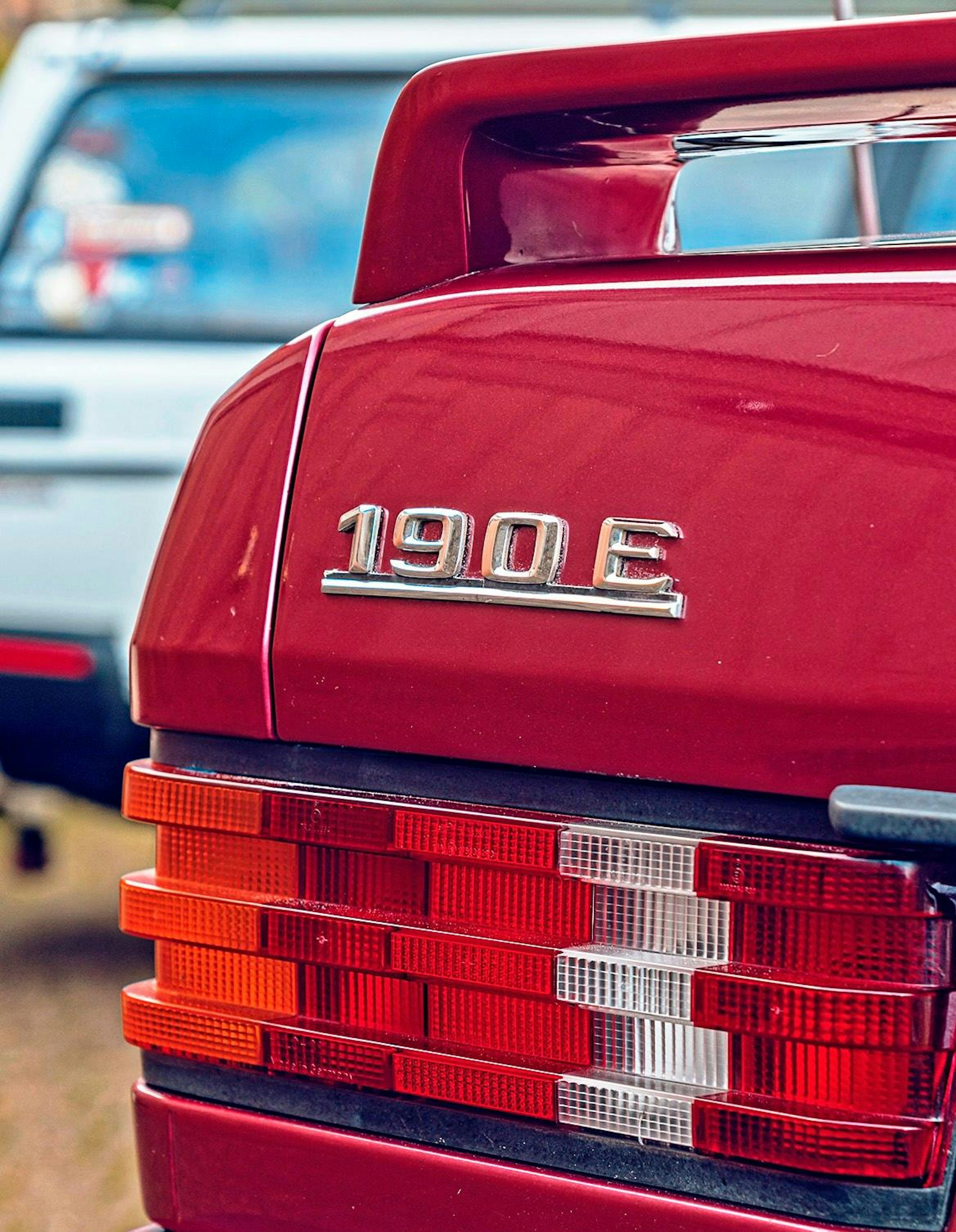
In 1988, the 2.3 was replaced by the 2.5-16, offering more performance and improved drivability. Later Evolution and Evolution II models pushed the concept further, adding more audacious aero-addenda, uprated brakes and suspension, but even the regular cars benefited from the same motorsport DNA. In period, they were seen as serious, grown-up performance cars – less flashy than their rivals, but devastatingly effective.
Sliding into the supportive driver’s seat, the 190E Cosworth has the usual Mercedes feel of reassuring solidity. But despite being a practical saloon, the seating is restricted to four, because the rear bench has been ditched in favour of two individual bucketed items that mirror the heavily bolstered fronts.
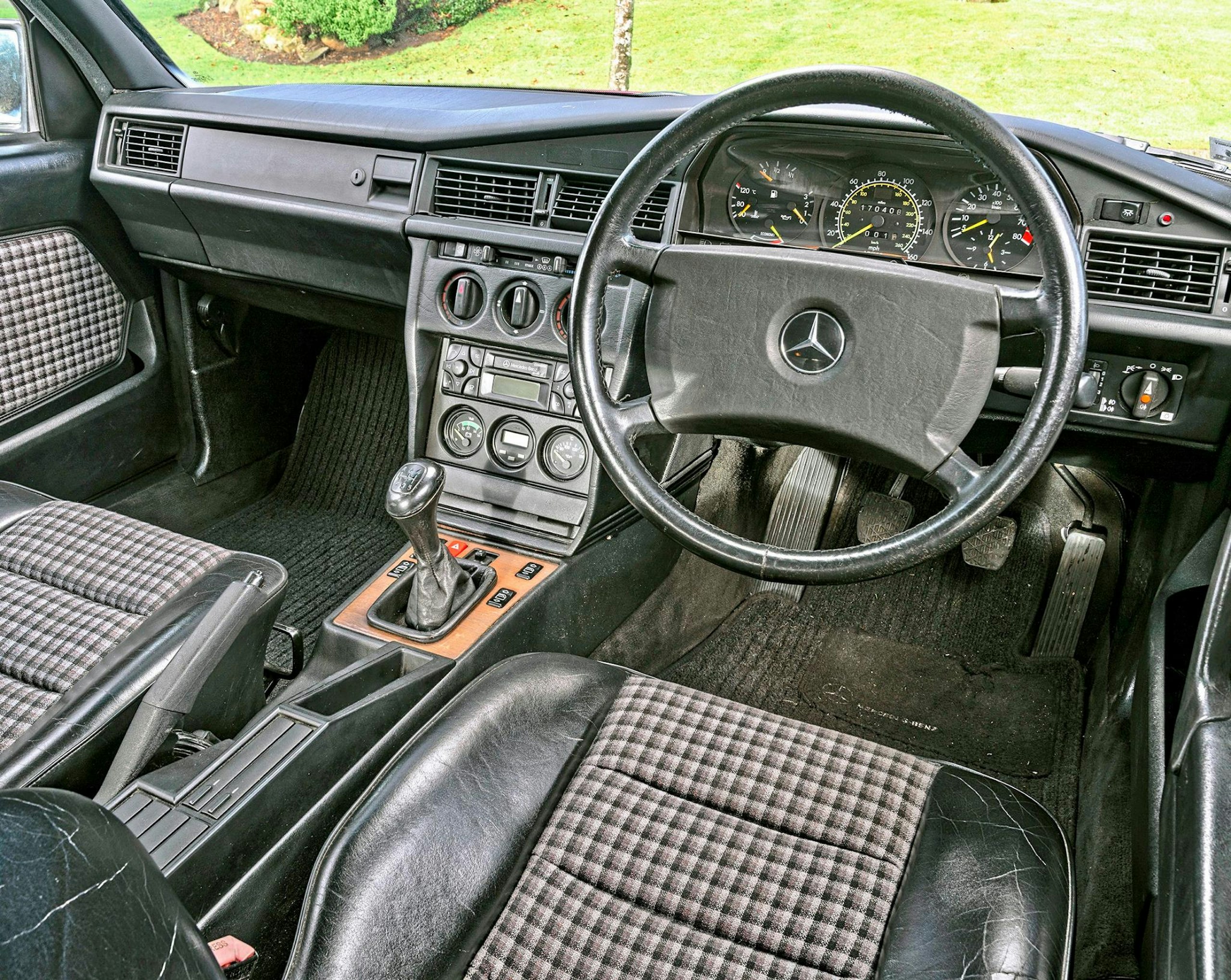
Fire up the Cosworth-developed engine, and you’re greeted with a mechanical exhaust note that growls when revved and pops on the overrun. The clutch and steering are both feathery light, but the dogleg gearbox can take some getting used to.
On the move, the power delivery is smooth and progressive, encouraging you to work the engine rather than rely on torque alone. While 2.3-litre models pack around 185bhp, later 2.5-litre cars have nearer 195bhp. Outright pace is not earth-shattering, but the way speed builds feels purposeful and rewarding.
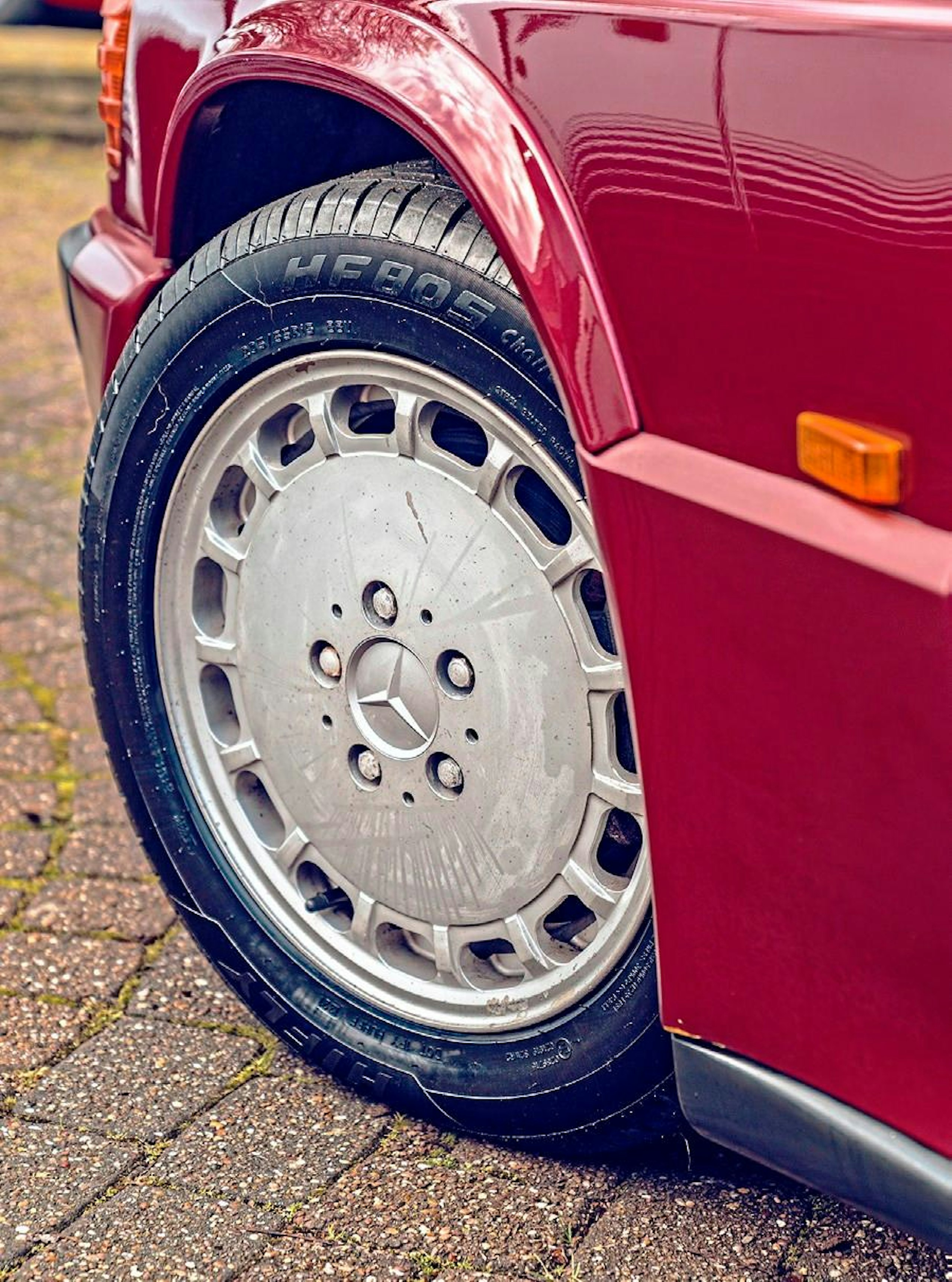
But the 190E Cosworth was never just about power, it’s the handling that is the highlight. The advanced multi-link rear suspension with self-levelling dampers gives a beautifully balanced feel, with secure grip and predictable responses at the limit. It thrives on flowing roads – or race circuits – where its composure and chassis balance shine through. While not playful in the way an M3 might be, it’s still deeply satisfying to drive quickly and smoothly. Visually, the 190E is understated to the point of anonymity – until you spot the details. The subtle wheelarch extensions, larger side mouldings, and a small rear wing give subtle extra presence. It’s aged exceptionally well.
Finding one today is increasingly difficult. Ordinary 190Es are still plentiful, but genuine – and unmodified – 2.3 - 16 and 2.5 - 16 cars are thinning out fast. Many were used hard, modified heavily or lost to corrosion, making good survivors increasingly desirable. For years, the 190E Cosworth lived in the shadow of the BMW E30 M3, but as M3 values exploded, attention turned to Stuttgart’s alternative. Its DTM pedigree and discreet image now appeals to enthusiasts who value substance over show.
‘While not as playful as an M3, the 190E Cosworth is still deeply satisfying to drive’
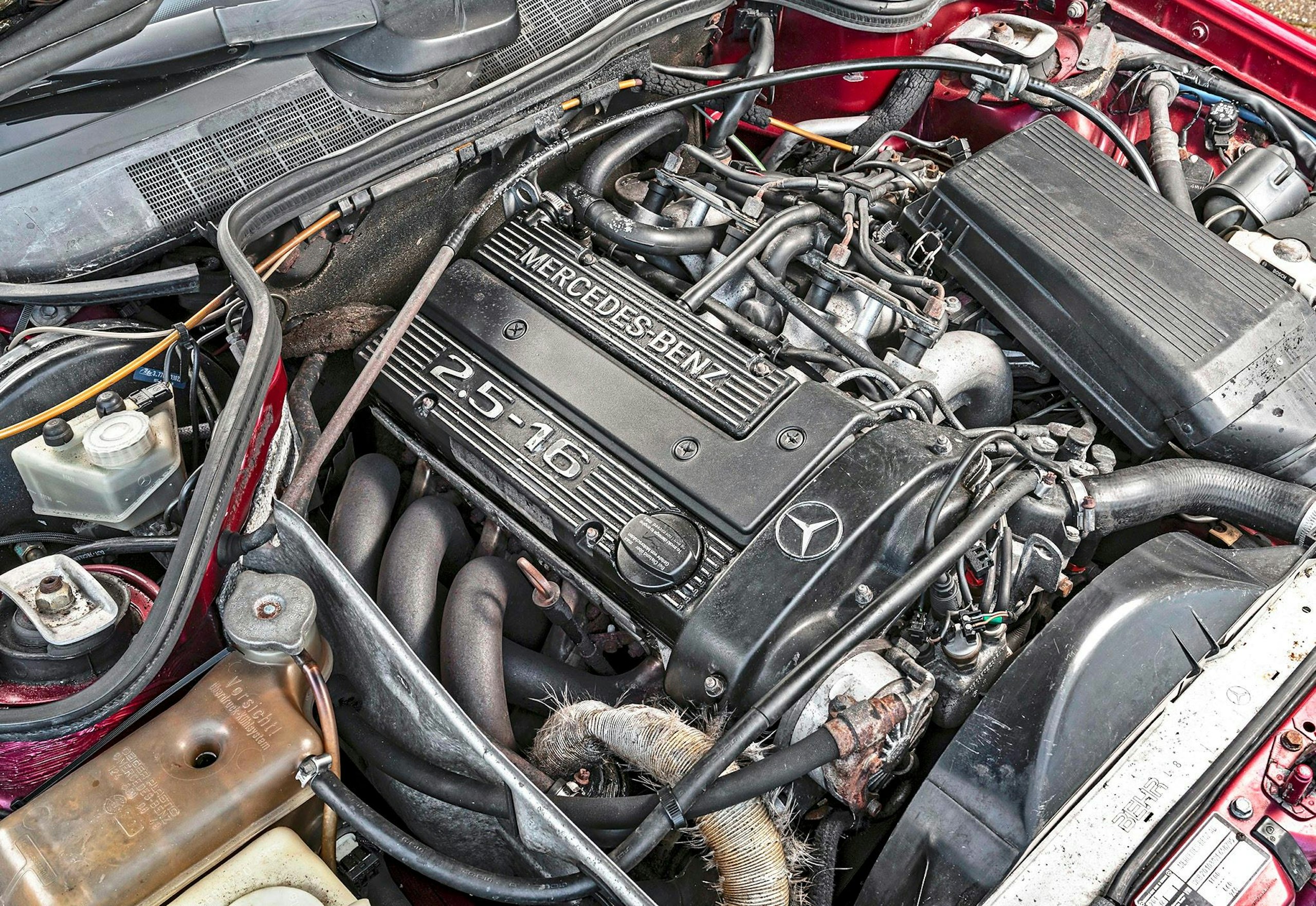
Crucially, prices still appear to be trending behind the market. While values of other modern classic Mercedes models are rising, the Cosworth has seen only modest signs of early growth. This means it’s great value, and good 190E 2.3 and 2.5s remain comparatively affordable when compared to E30 M3s, values of which have skyrocketed. Expect to pay around £11,000 for a usable, well-maintained example, £21,000 for a very good car, and upwards of £30,000 for a truly mint, low-mileage model.
Buyers should watch for rust – particularly around the jacking points, the door bottoms, ahead of the front wheelarches and rear subframes – and check if the Cosworth engines have been properly maintained. Fuel pumps can leak, as can degraded rubber vacuum hoses around the injection system, while timing chains wear and rattle. Tired suspension and electrical gremlins are common, but parts availability remains strong. The caveat being items such as the dog-leg gearbox and self-levelling suspension, which are getting scarce and expensive to replace.
As a classic to own, the 190E is wonderfully usable. It’s comfortable, practical, and built to last, with a sense of engineering integrity of a bygone era. Add its motorsport pedigree and growing cult appeal, and it’s clear why the 2.5-16 Cosworth represents one of the smartest performance saloon buys of the moment – what are you waiting for?
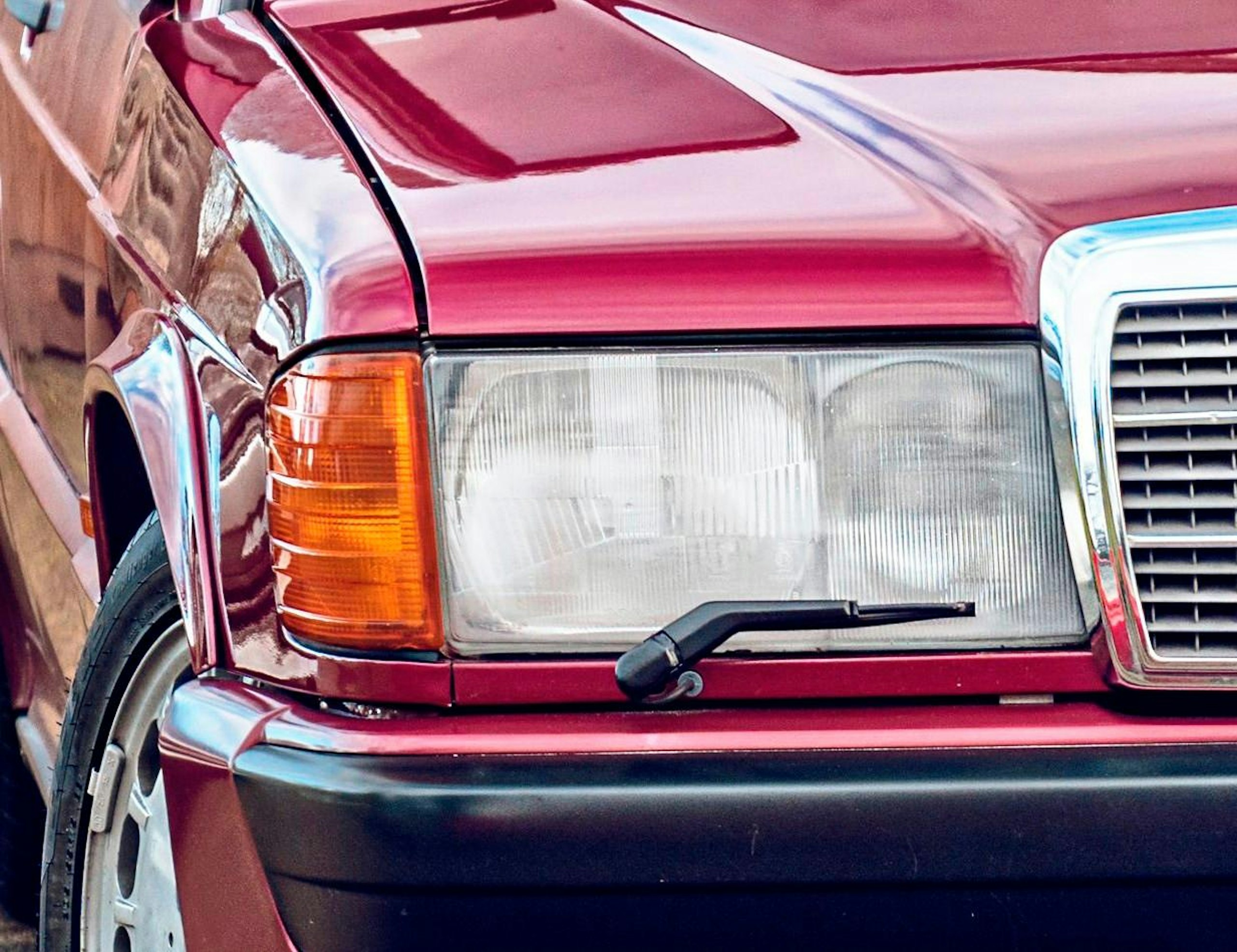
1989 Mercedes-Benz 190E 2.5-16 Cosworth
Engine 2463cc, inline four-cylinder, dohc, Bosch KE-Jetronic fuel injection
Power and torque 195bhp @ 6,750rpm; 173lb ft @ 5000rpm
Transmission Five-speed manual, rear-wheel drive
Steering Recirculating ball, power-assisted
Suspension Front: independent, MacPherson struts, anti-roll bar. Rear: independent five-link system; coil springs, hydraulic self-levelling dampers, accumulator spheres, anti-roll bar
Brakes Front: vented discs. Rear: discs; servoassisted, ABS
Performance Top speed: 142ph; 0-60mph: 7.2sec
Weight 1300kg (2866lb)
Fuel consumption 24mpg
Cost new £30,000
Classic Cars Price Guide £11,000-£30,000
Owning a Mercedes 190E 2.5-16 Cosworth
With six 190E Cosworths in his collection, professional car trader Glenn Manuel of Spalding-based Baytree Car Sales, knows the Eighties icon inside out. ‘I’ve got three models on the road at present, with three I acquired for spares,’ he explains. ‘I bought the Almandine red one here today – one of only 5743 2.5-engined models – in 2021 from a private collector.’
Like many fans of the breed, 38-year-old Glenn grew up in an era where the 190E Cosworth, E30 M3 and Sierra Cosworth were the top dogs on the street but rates the Mercedes above them all. ‘It’s a great car to drive and its understated styling still looks classy today,’ he says.
‘They do have their problems, though. This one has a cold start issue, likely due to a blocked K-Jet injection system. It’s a common fault requiring a £700 rebuild to fix.’ Luckily, with a trio of donor cars waiting in the wings, Glenn hasn’t had to look too far for any replacement parts but has found brand new stock levels for certain parts are getting increasingly scarce.
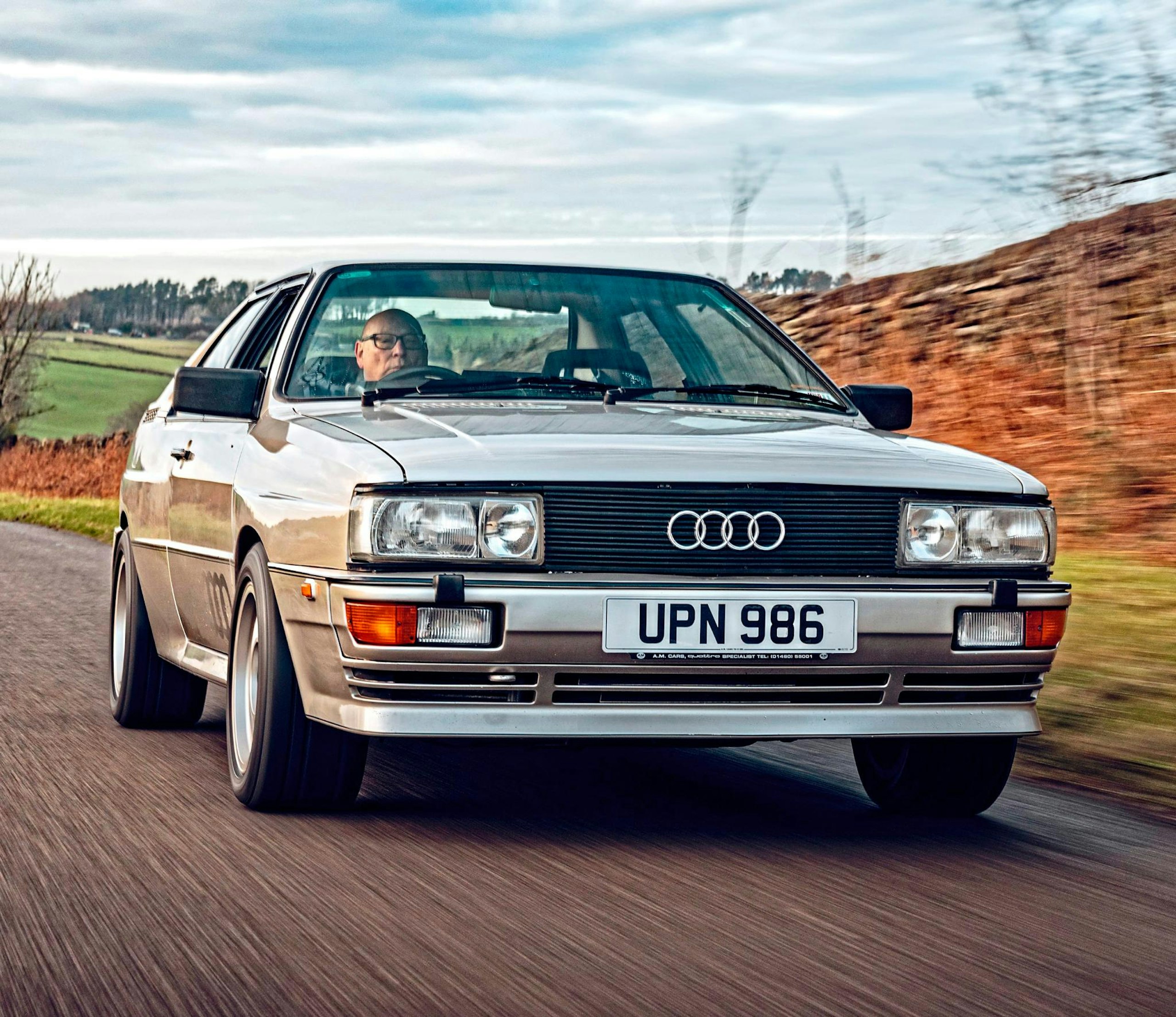
There aren’t many cars that can genuinely claim to have changed the course of automotive history, but the Audi Quattro is surely one of them. Even today, more than four decades after its debut, the original 10-valve Quattro remains an enticing proposition – a car that blends motorsport pedigree, everyday usability and a unique driving experience. For buyers seeking a landmark classic they can both use and enjoy, the ‘Ur-quattro’ – ‘original Quattro’ in German – makes a strong case.
Unveiled at the 1980 Geneva motor show, the Quattro’s impact was immediate. At a time when four-wheel drive was associated with clunky offroaders and military vehicles, Audi’s decision to apply it to a high-performance road car was revolutionary after Jensen’s 1966 FF had seemed a technological dead end. Rather than a traditional transfer box to send drive to the rear wheels, Audi’s engineers devised a sophisticated hollow-shaft system that combined an outer shaft to drive the rear wheels, with an inner shaft rotating inside providing drive to the front axle. A centre differential integrated into the gearbox allowed each to turn at different speeds as required. The innovative approach was both lighter and simpler than existing designs.
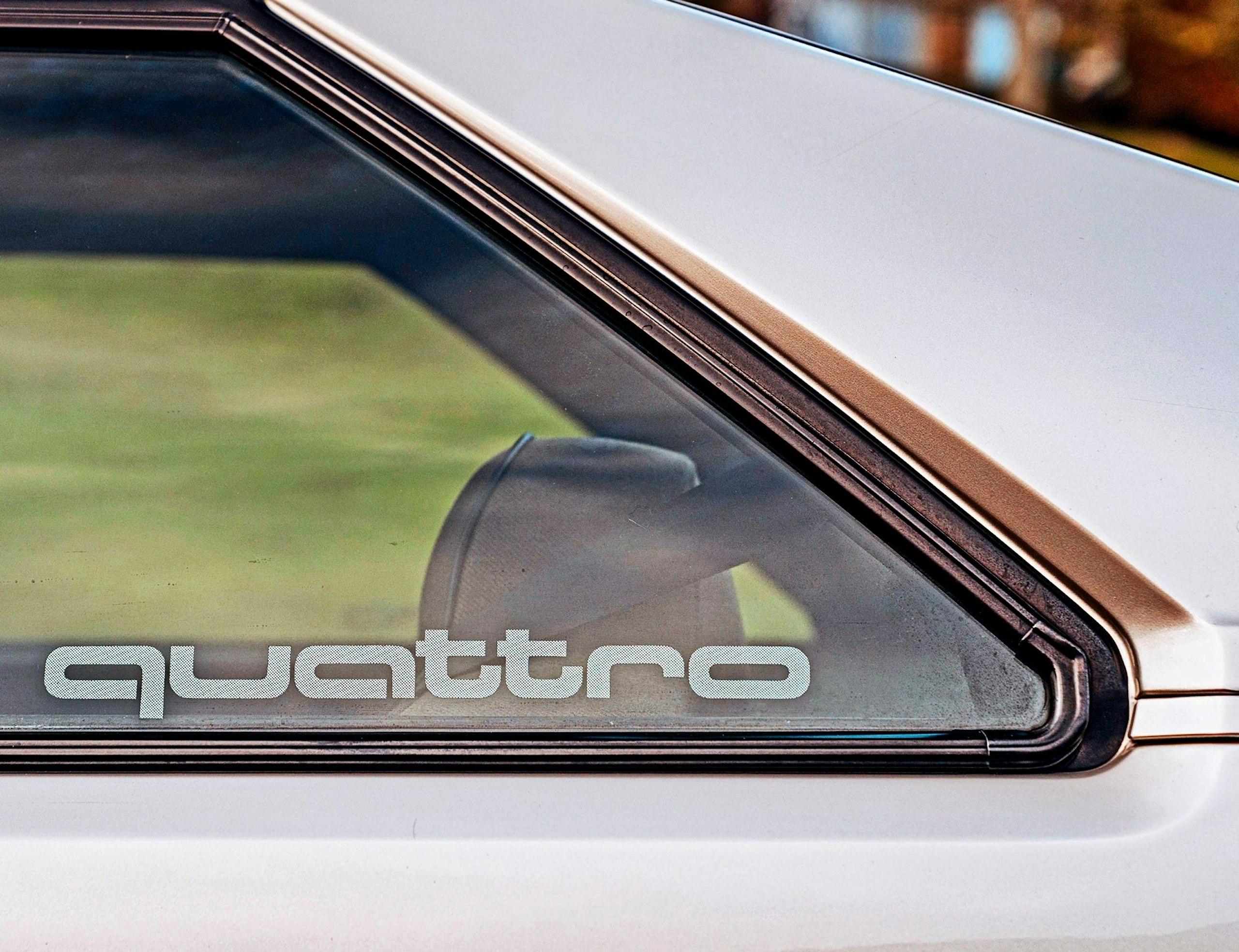
Early road tests praised the Quattro’s innate traction and composure, even if some critics questioned its complexity and weight. The earliest examples were powered by a turbocharged 2.1-litre inline-five with a 10-valve cylinder head, later expanded to 2.2-litres in 1987, producing around 200bhp.
Over its 11-year production life, the Quattro evolved steadily. Early cars featured analogue instrumentation and simple interiors, while later examples gained digital dashboards, revised trim and minor mechanical tweaks. The 10v cars were eventually followed by a more powerful 20-valve version in 1989, which remains the most desirable today. Nevertheless, it was the original 10-valve Quattro that established the blueprint and delivered Audi’s first true performance icon.
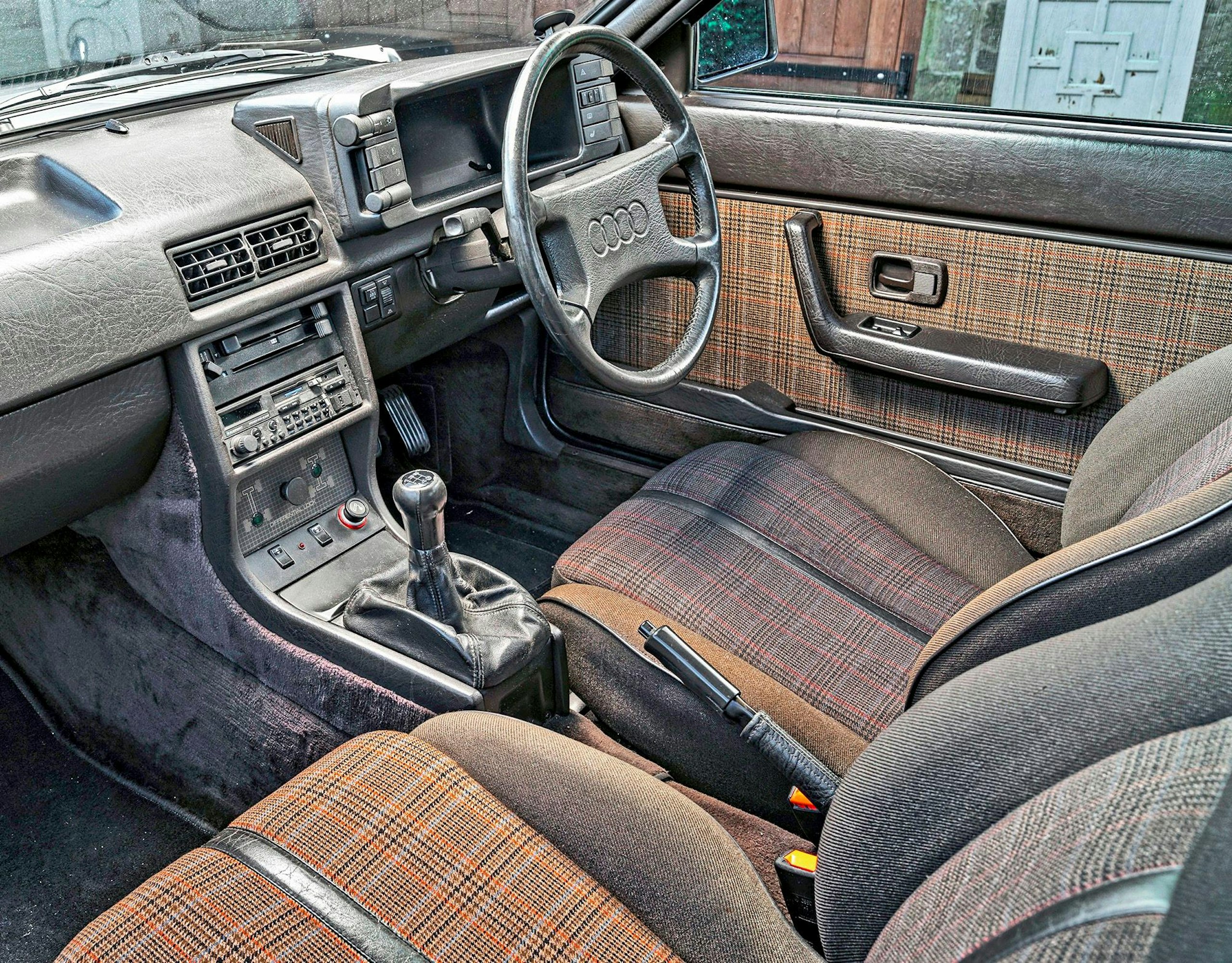
The car here is a silver 1984 10v, complete with a futuristic digital dashboard introduced for that model year. Open the long door, and the interior feels restrained and well-built. The driving position offers excellent visibility, and the four-spoke steering wheel is just the right size and thickness. However, its position feels slightly off-centre relative to the seat and pedals.
Turn the key and the turbocharged five-cylinder engine settles into that trademark off-beat thrum, a sound now inseparable from Audi’s performance identity. On the road, power delivery is unmistakably of its era – noticeable lag followed by a decisive surge as the turbo spools up. Performance is adequate by modern standards, but there’s plenty of shove available when you stay in the upper end of the rev range. The gearlever has a long, heavy throw, but shifts with a rewarding action.
‘Through its motorsport success, the Quattro name became synonymous with all-wheel drive performance’
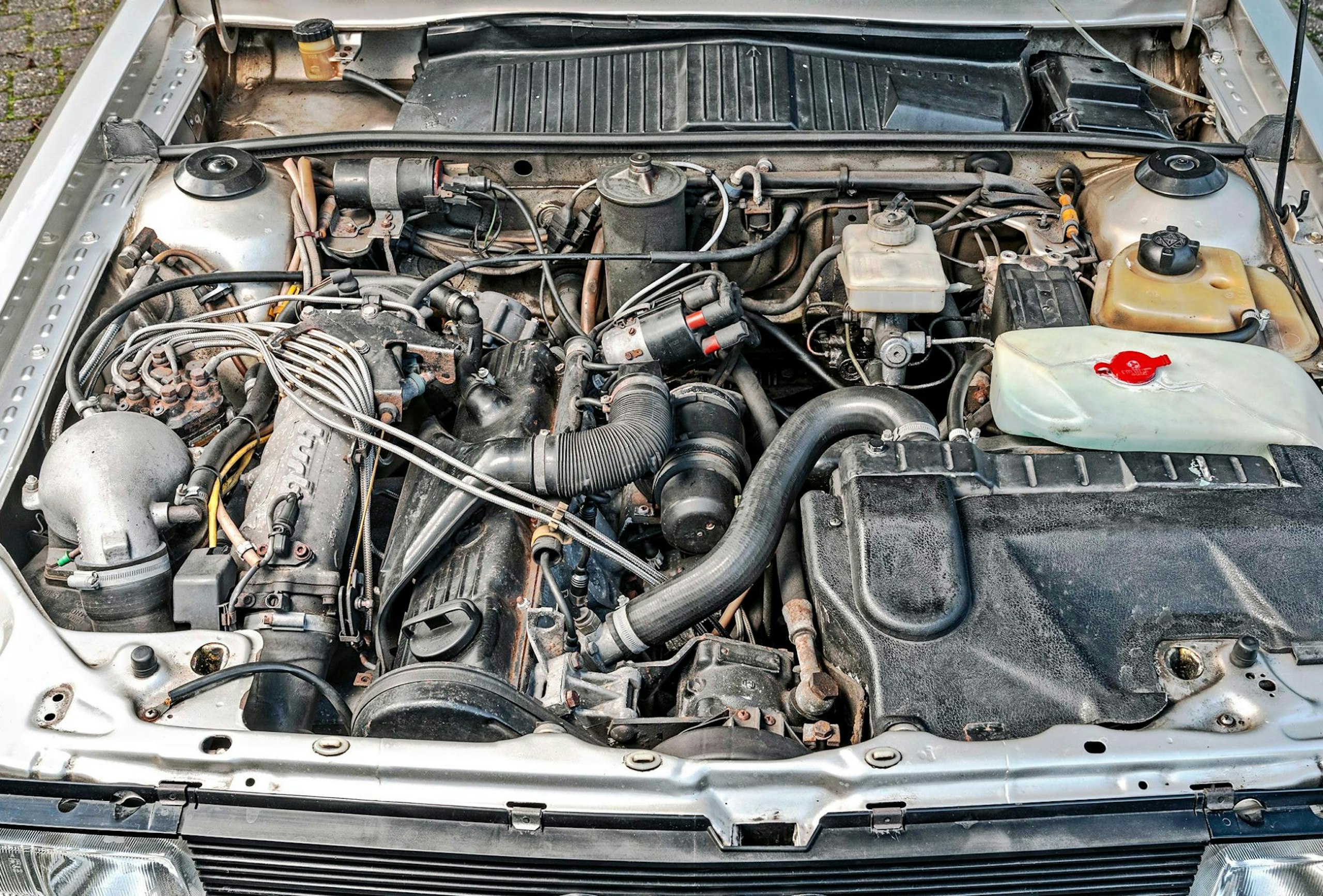
Handling is where the car’s character truly shines. The permanent four-wheel-drive system provides colossal traction, particularly in poor conditions, and inspires true confidence where rear-drive rivals can feel nervous. There’s understeer at the limit, and a surprising amount of body roll, but the overall balance encourages fast, secure cornering. However, while the handling inspires trust, the brakes feel wooden and weak, requiring firm pressure before they bite, which saps confidence until you get accustomed to their limitations.
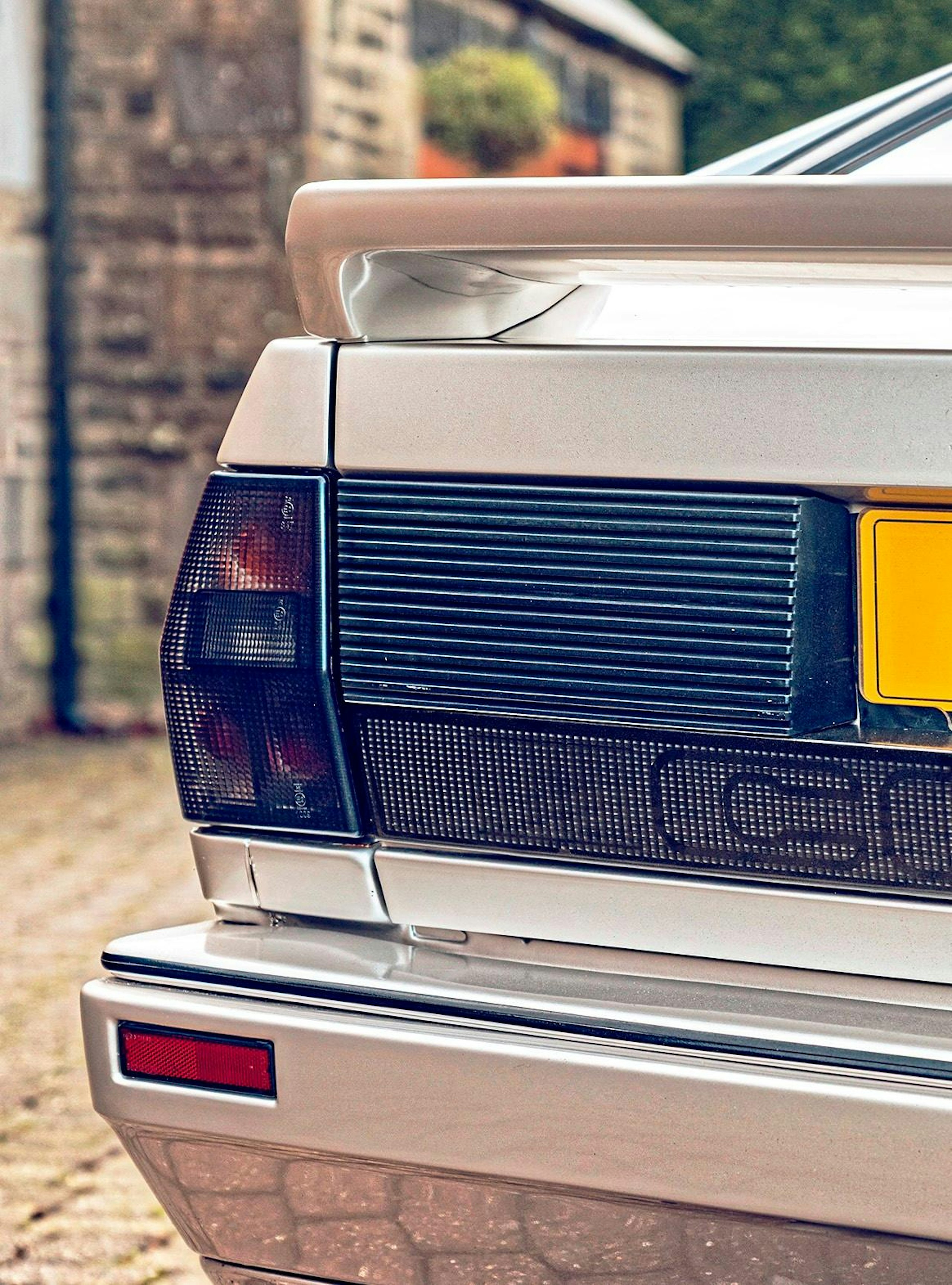
Visually, the Quattro’s angular proportions and blistered wheelarches still remain more purposeful than pretty, but its rally bred stance provides it with an undeniable presence, especially with the 15in multi-spoke Ronal alloy wheels that make it look like it’s just rolled off a special stage.
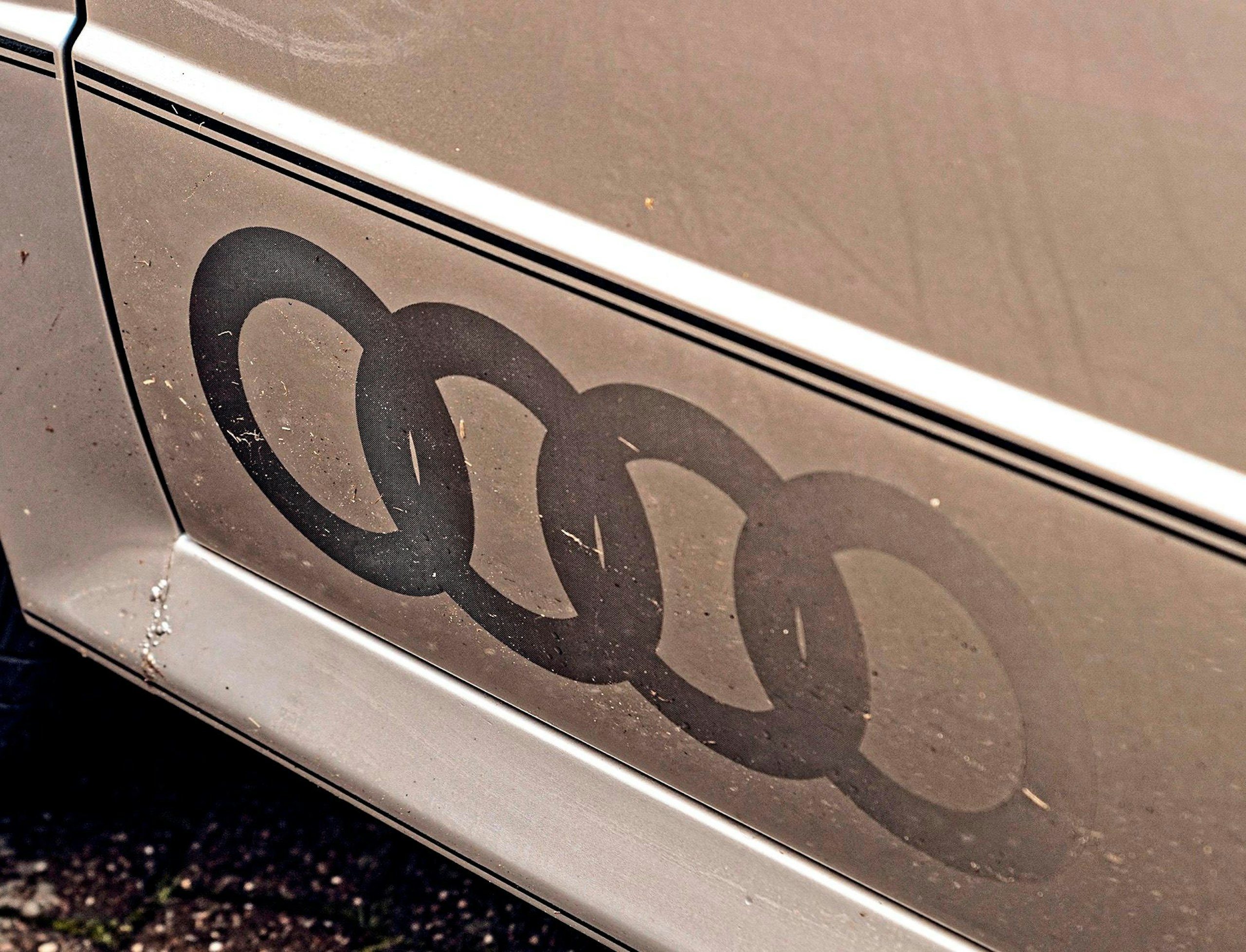
And this is a large part of the Quattro’s enduring appeal. The car’s dominance in early-Eighties rallying – perhaps most famously the short wheelbase and even more-focused Sport Quattro version that was built for Group B competition – transformed Audi’s image. The sound of the five-cylinder engine echoing through forest stages became iconic, and the Quattro name became synonymous with all-wheel drive performance. Today, as younger enthusiasts discover its story and older fans seek nostalgia, the Quattro’s appeal continues to grow.
But even so, values lag behind some contemporaries. The later 20-valve cars and homologation specials have seen dramatic price increases. Early Quattros have risen more gradually. This presents an opportunity. As buyers increasingly recognise the significance of the original model, demand is strengthening, yet prices remain accessible. However, Sport Quattro values have also lept, with the potential to pull lesser models along with it.
Buying wisely is essential. Corrosion is the major issue, particularly around the doors, sills and wheelarches, as is poorly repaired crash damage. Mechanical parts are robust if maintained, but some components are getting hard to find, so specialist knowledge is vital. Expect to pay around £12,000 for a usable example, £22,000 for a well-sorted car, and between £36,000 to £50,000 for an exceptional, low-mileage version.
Modern classics, and in particular gutsy hero models from the Eighties are rising in desirability for the generation with the money to buy the cars of their dreams. For those seeking a classic with both genuine historical importance and growing cult appeal, the Audi Quattro 10v is a seriously smart investment.
1984 Audi Quattro 10v
Engine 2144cc, inline five-cylinder, sohc, 10-valve, Bosch K-Jetronic fuel injection, KKK K26 turbocharger
Power and torque 197bhp @ 5500rpm; 210lb ft @ 3500rpm
Transmission Five-speed manual, four-wheel drive
Steering Rack and pinion, power-assisted
Suspension Front: independent, MacPherson struts, anti-roll bar. Rear: independent, MacPherson struts, anti-roll bar
Brakes Front: vented discs. Rear: solid discs; servo-assisted, ABS
Performance Top speed: 137mph; 0-60mph: 6.5sec
Weight 1290kg (2844lb)
Fuel consumption 20mpg
Cost new £18,650
Classic Cars Price Guide £22,000-£46,000
Owning an Audi Quattro 10v
Jeremy Lasker, a 72-year-old legal barrister, has owned this stunning silver Quattro 10v since 1988. ‘I’ve put over 100k miles on the car in that time,’ beams Jeremy. ‘For many years, I used it as my daily driver for my commute to work and it’s been an incredible machine.’ Unfortunately, an attempted theft saw Jeremy put the car in storage, where it sat for almost a decade before undergoing a full restoration by Adam Marsden of AM Cars in Somerset.
‘Adam had the car for 10 years in total, completely restoring the bodywork and rebuilding the engine, transmission and suspension.’ The restoration cost around £40,000 but refreshed the car back to factory standard.
‘Other than that, the car has been rock-solid. It’s only been the cost of regular servicing, which is required every 5000 miles, that has been particularly costly. The only issues I’ve found have been that replacement parts are getting harder to find, and that can make them expensive, so having a well-connected specialist on hand is a must,’ Jeremy says.
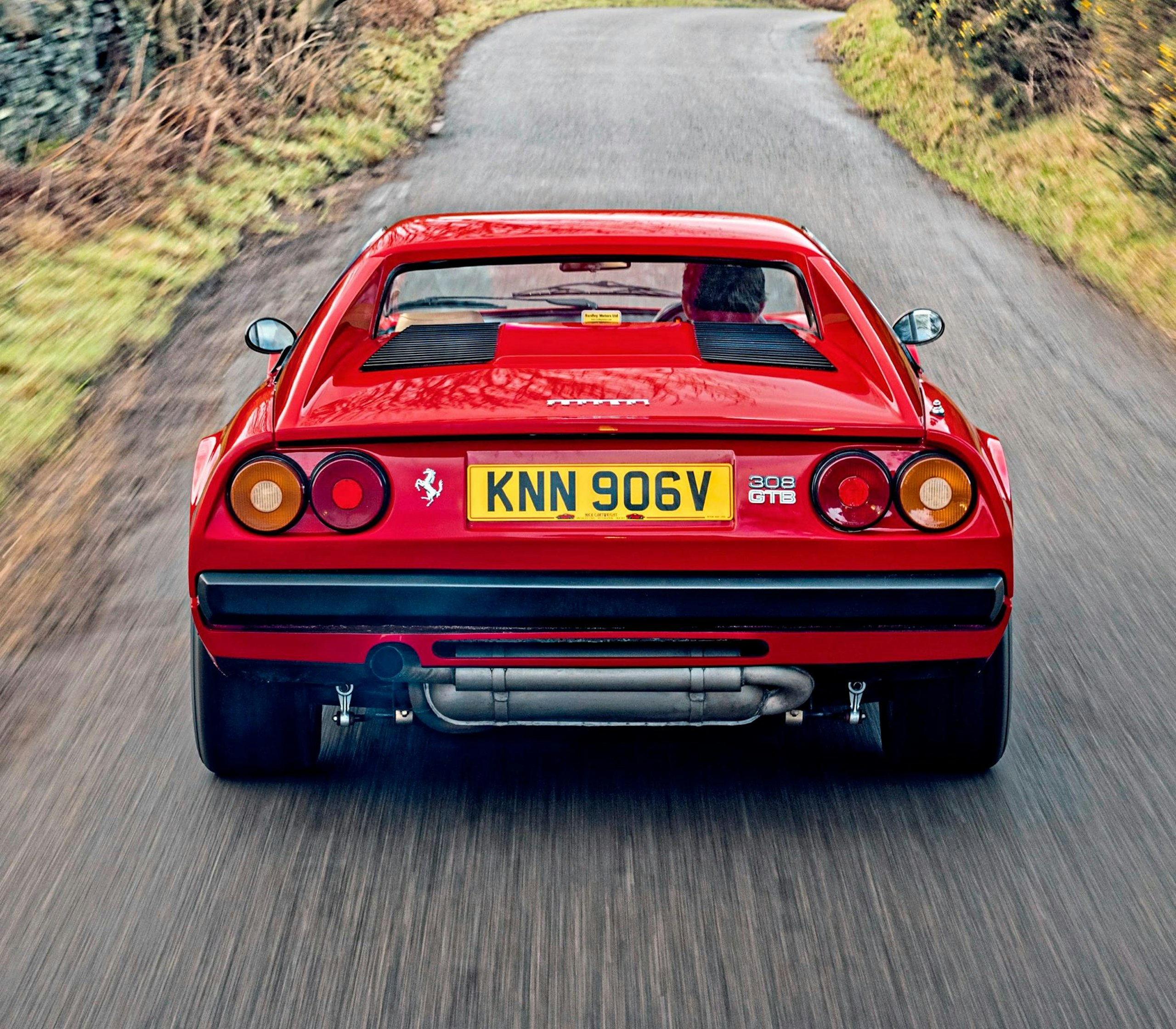
The intoxicating mix of style, performance and theatre that defines a classic Ferrari is often assumed to be out of reach for all but the wealthiest of enthusiasts. Yet while prancing horse ownership is never cheap, entry to the marque is more attainable than you’d expect. With its mid-mounted V8 and sharp Pininfarina styling and unmistakable presence, the Ferrari 308GTB delivers the exotic experience in a compact, usable package. And with decent examples currently trading between £35,000-£50,000, it’s a seriously tempting alternative to more expensive, and less exotic, Stuttgart-crested rivals.
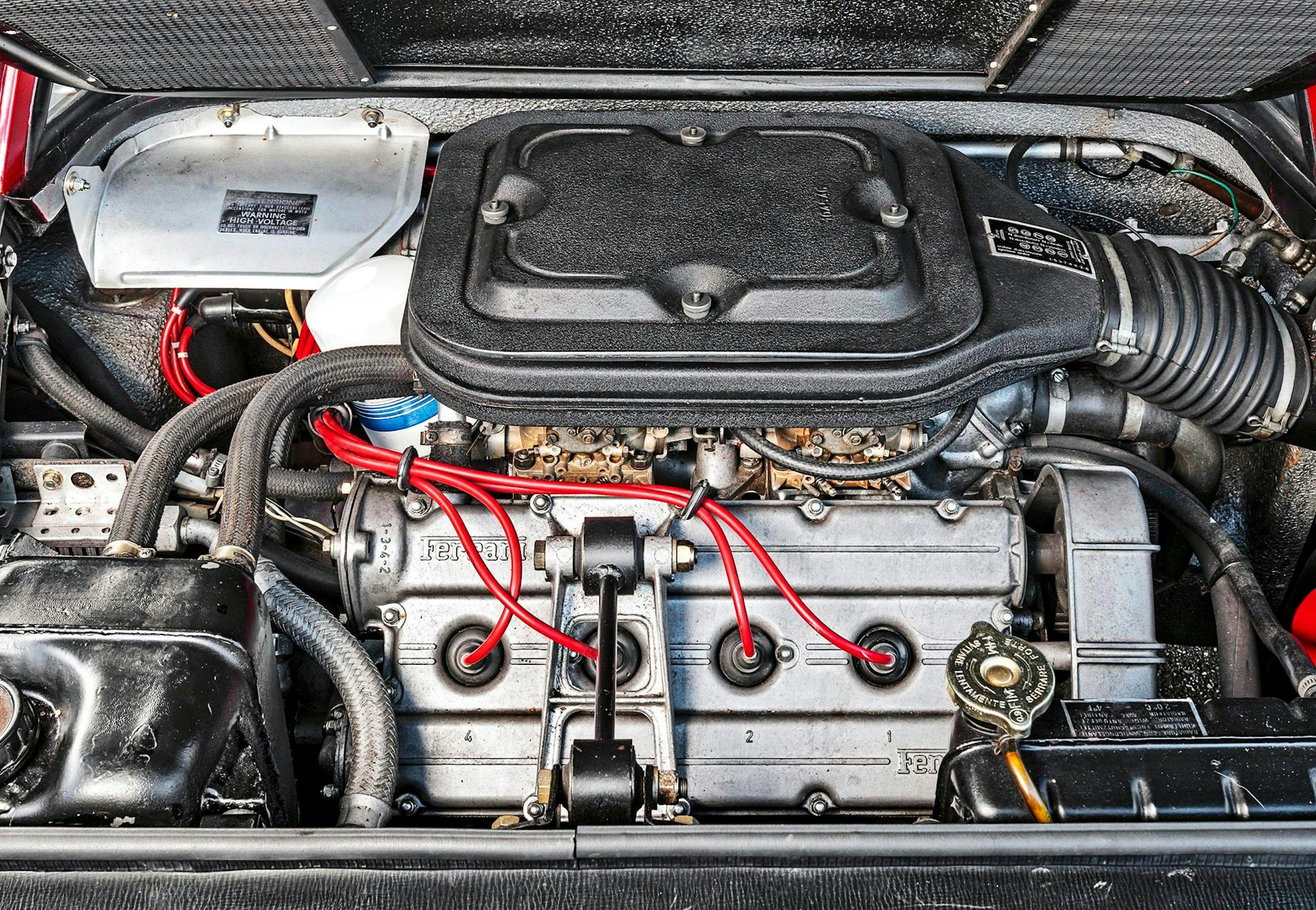
Introduced in 1975 as the successor to the Dino 246GT, the 308GTB marked Ferrari’s entry into the small-capacity V8 sports car market. Debuting at the Paris motor show, it garnered praise for its modern wedge-nosed styling, mid-engine layout and high-revving 2.9-litre V8. Early cars were powered by a quad-cam, dry-sump engine fed by Weber carburettors, delivering a heady combination of performance and character that quickly became central to the 308’s appeal.
Early Series 1 cars were by Carrozzeria Scaglietti, featuring corrosion-resistant glassfibre bodies over steel tube chassis – earning them the nickname Vetroresina (glassfibre in Italian).
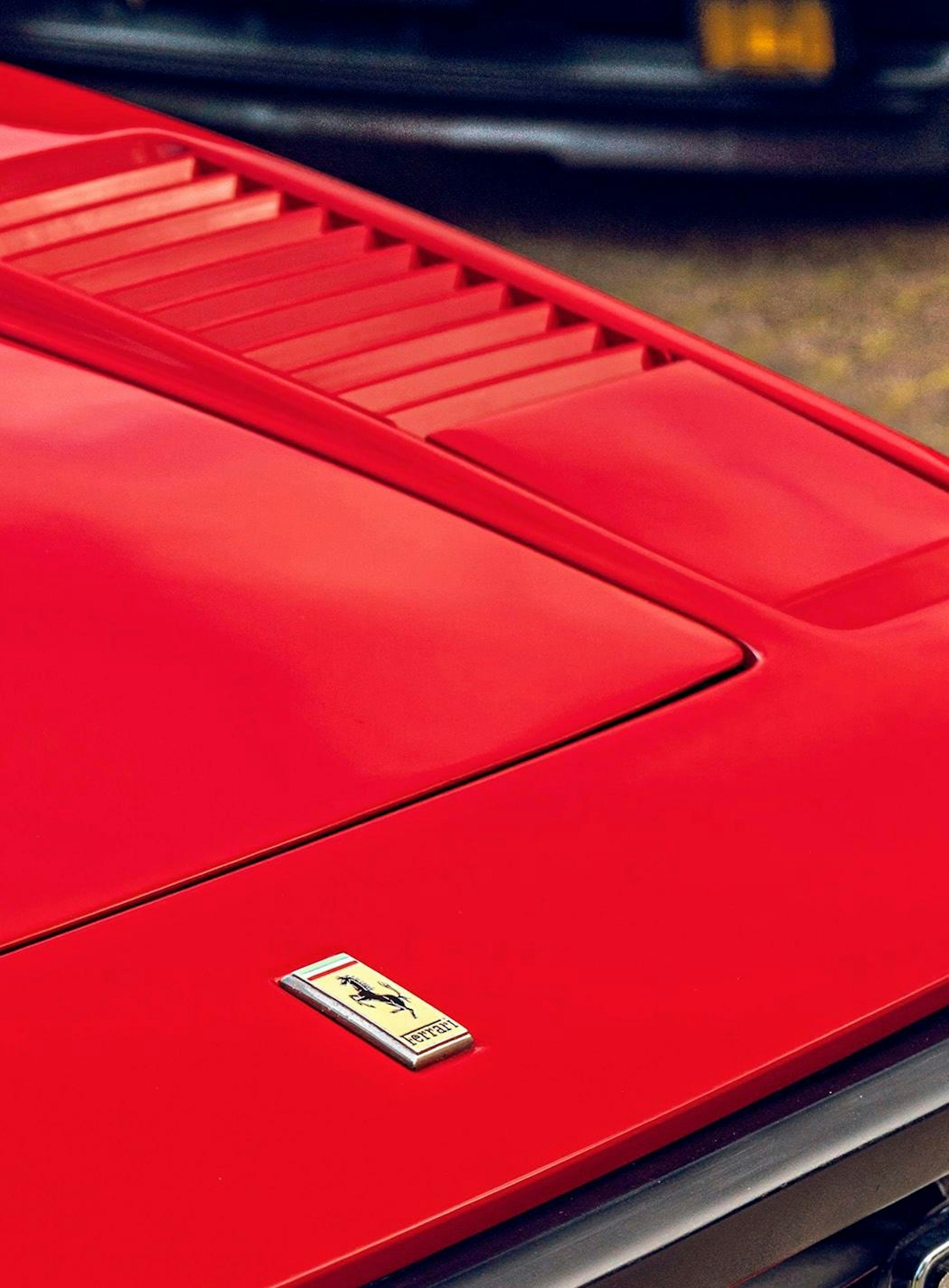
Ferrari claims just 808 were produced before the switch to steel bodies in mid-1977. While the move added around 150kg, it brought improved panel fit, greater rigidity and a more conventional production process. Around the same time, Ferrari introduced the targa-roofed 308GTS, widening the 308’s appeal.
In 1980, tightening emissions regulations prompted the introduction of Bosch K-Jetronic mechanical fuel injection and electronic ignition. Renamed GTBi and GTSi, these benefited from improved drivability and reliability, but suffered a notable drop in power, down to 211bhp from the carburetted engine’s 255bhp. Performance took a hit, and these fuel-injected variants remain the least sought-after today. Ferrari addressed this in 1982 with the arrival of the 308 Quattrovalvole (QV), with four-valve cylinder heads lifting output to 240bhp. Production ended in 1985, when the 308 was replaced by the subtly evolved 328.
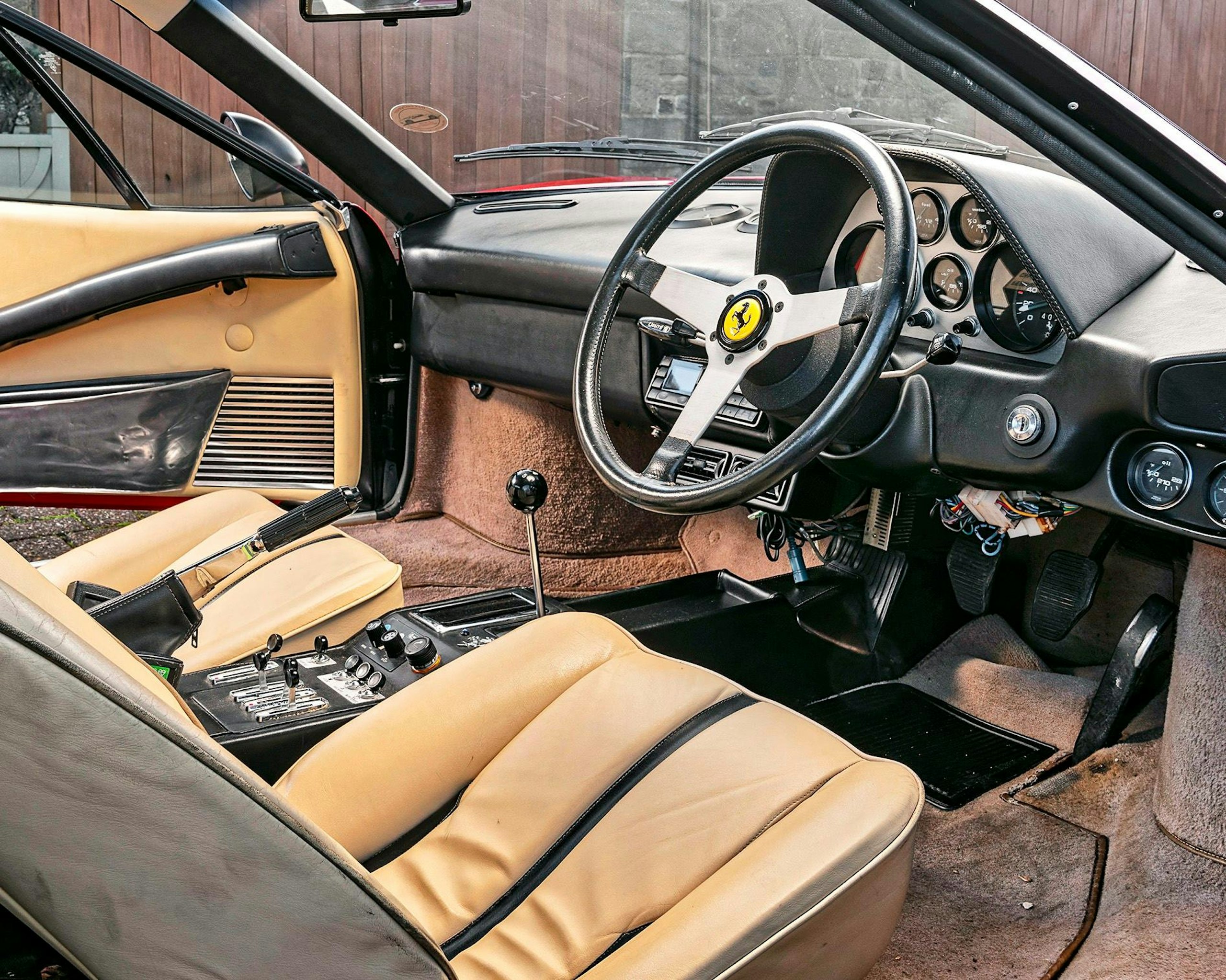
The car featured here is a 1979 steel-bodied example finished in classic Rosso Corsa. Inside, the low-slung, leather-trimmed cockpit instantly places you in a different era. The driving position is heavily reclined, and headroom is tight, but this only reinforces the compact dimensions and sense of intimacy. For many, the 308 remains inseparable from its starring role in Magnum PI, a cultural association that cemented its status as an icon of Eighties automotive excess.
Turn the key and the thunderous V8 fires to life, the twin-Weber carburettors producing a glorious soundtrack, even at idle. The unassisted steering is exceptionally heavy at low speed, but is direct and communicative on the move, relaying surface changes with a clarity rarely found in modern machinery. The long-throw clutch takes muscle to modulate, and the gated dogleg ’box rewards a deliberate hand, but working the ratios as the engine spins towards its 7700rpm redline is deeply satisfying.
On the road, the 308’s character is defined by balance rather than outright aggression. Power delivery is linear and responsive, encouraging you to exploit the engine’s rev-happy nature. The mid-engine chassis offers excellent poise, with predictable handling, a supple ride and ample grip. It’s engaging without being intimidating, a trait often attributed to the influence of then-Ferrari Formula One driver Niki Lauda, who played a role in refining the car’s dynamics during development.
Today, the 308GTB enjoys a loyal following, its sharp lines, pop-up headlights and compact proportions standing as a timeless expression of Ferrari design. Carburettor-fed early GTB/S models are showing the first signs of growth – particularly for well-kept, low-mileage examples – alongside other Seventies, Eighties and Nineties Ferraris. However, despite this, the model remains relatively accessible by Ferrari standards.
Fuel-injected, steel-bodied models represent the most affordable entry point, with reasonable examples typically commanding £32,000-£42,500. Aside from the over-inflated Vetroresina – now undergoing correction – the carburettor-fed steel-body cars are the most desirable of the 308 series, showing early signs of upward movement again. Values of the glassfibre 308s remain around 50 percent greater than similarly specced steel-bodied models, which draw prices between £36,000 and £54,000. That’s not expensive when compared to in-period rivals such as the Porsche 911. Later QV models track very similar values, depending on history and condition, and concours examples of all types typically add a 30 per cent premium.
‘Working through the gears as the engine spins towards its 7700rpm redline is deeply satisfying’
Buyers should be mindful of corrosion in steel-bodied cars, particularly around sills, wheelarches and door bottoms, while glassfibre examples are not immune to chassis rust. Timing belt maintenance is critical, and neglected fuel systems are a common warning sign. Buy well, however, and the 308GTB offers ownership rich in drama, heritage and involvement.
For enthusiasts seeking a usable classic with genuine Ferrari pedigree, the 308GTB remains an irresistible proposition: a car that impressively distils the legendary marque’s spirit into a beautifully balanced and deeply engaging package – making it a truly smart classic in every sense.
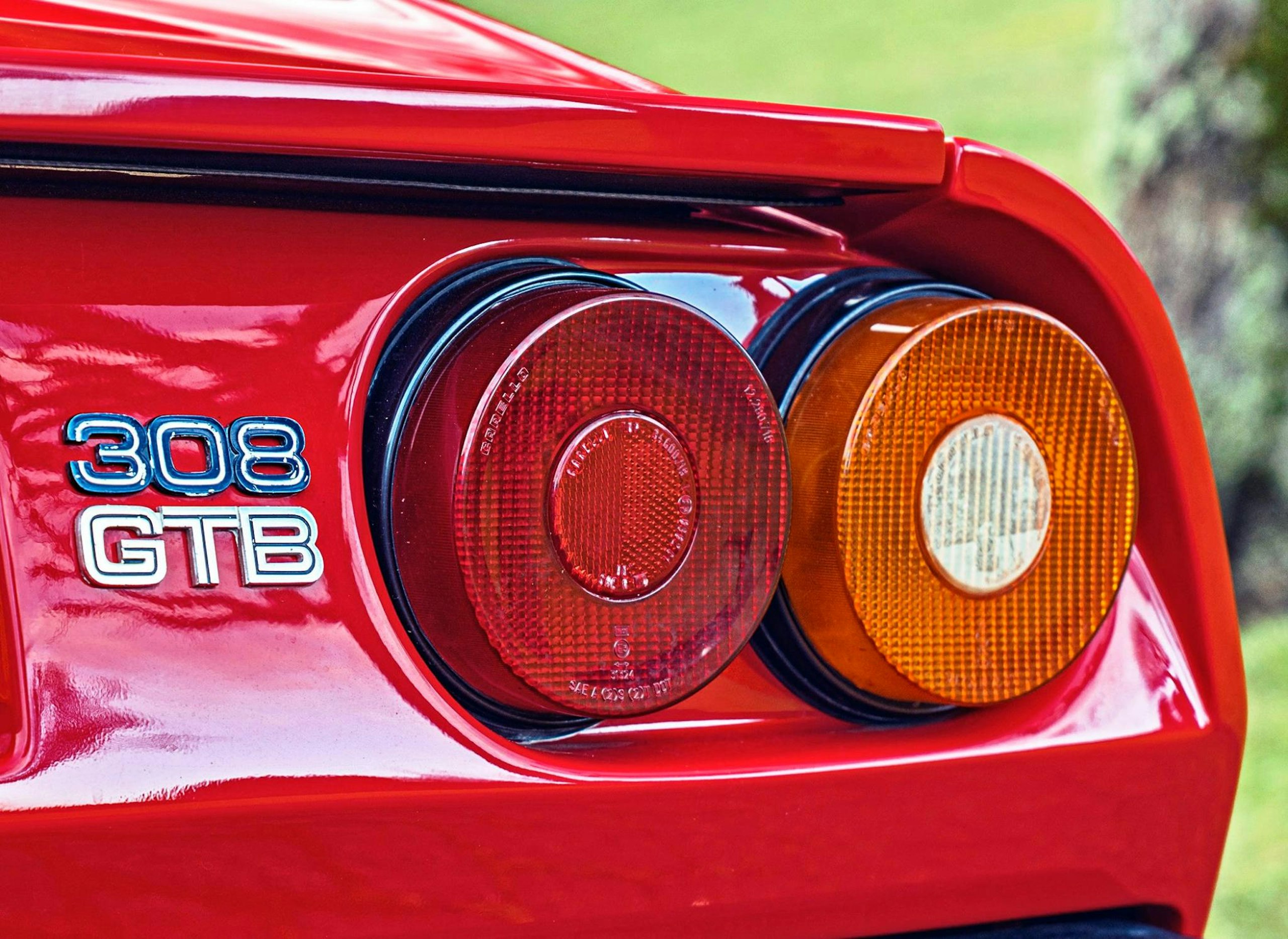
1980 Ferrari 308GTB
Engine 2927cc, 90° V8, four Weber 40DCNF carburettors
Power and torque 255bhp @ 7700rpm; 209lb ft @ 5000rpm
Transmission Five-speed manual, rear-wheel drive
Steering Rack and pinion
Suspension Front: independent, unequal-length wishbones, coil springs, telescopic dampers, anti-roll bar. Rear: independent, unequal-length wishbones, coil springs, telescopic dampers, anti-roll bar Brakes Front and rear: vented discs; servo-assisted
Performance Top speed: 154mph; 0-60mph: 6.5sec
Weight 1250kg (2755lb)
Fuel consumption 19mpg
Cost new £18,973
Classic Cars Price Guide £38,000-£68,500
Owning a Ferrari 308GTB
As the owner of family-run Ferrari sales, servicing and restoration specialist, Nick Cartwright Specialist Cars in Matlock, Ben Cartwright has a wealth of experience with 308s of all generations and rates them highly as a toe in the water of classic prancing horse ownership. ‘The 308 is a robust car with strong, simple engines,’ he says. ‘For a Ferrari, it’s relatively easy to work on too, even for the home enthusiast.’
That’s not to say they are without their issues though. ‘The original exhaust valves can break, requiring a cylinder head repair that can cost around £7000-£8000 to put right,’ he explains.
‘Parts have also gone up recently, so they are not as cheap to run as they once were, but for a Ferrari, they still represent a model that can be owned for relatively little outlay.’ Simply service the engine annually, at a cost of around £550 a time, and add in a cambelt every third service for an additional £550, and you won’t go far wrong.
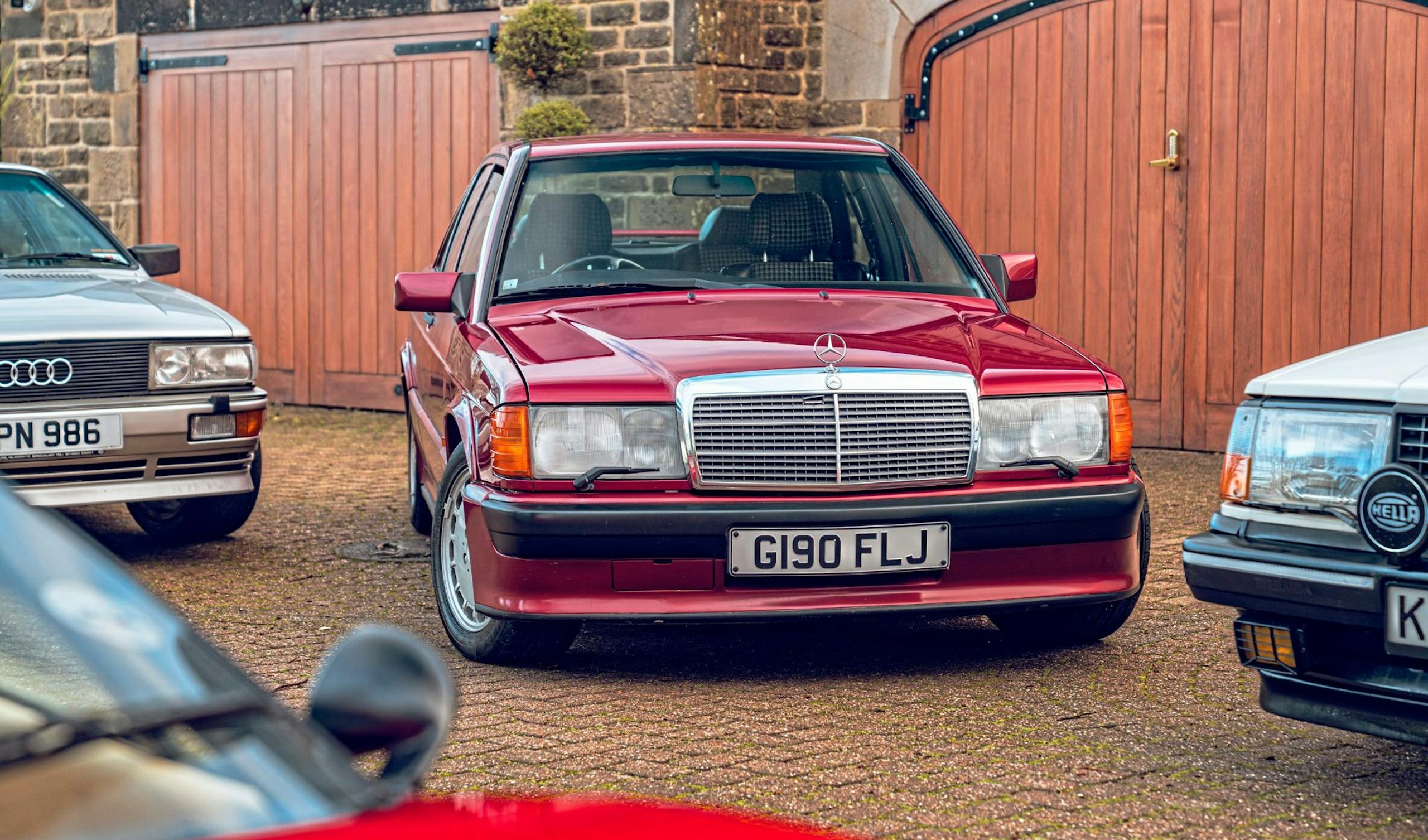
Timing is everything. Hesitate when values dip or stall, and you might forever miss out on owning the classic of your dreams. Our five Smart Buys of 2026 offer you the chance to get ahead of the pack, picking up cars currently trending behind the broader market or similar models – or showing early signs of growth – before prices catch up.
The understated Volvo 240 Estate, a car that puts rugged practicality, reliability and safety above style and performance ought to be a wallflower. But those very qualities have attracted a cult following among younger buyers. With the paradoxically sporty T-5R/850R up 15 percent in the last year, the market is starting to see Volvos differently; other models should follow.
The Lotus Elise S2 111S offers uniquely razor-sharp handling and a pure, lightweight driving experience. Unlike the cuddly Series 1 Elise that’s already seen classic appreciation, the sharp-edged form of the S2 is only just starting to move – up two percent in a year – as the most active buying demographic takes notice. A demographic with different views on aesthetics.
Modern classic Mercedes have almost universally seen strong growth in the last 12 months, with the basic 190E up nearly 30 percent, yet the considerably more thrilling but no less dependable Cosworth has grown just five percent. That can only gain momentum in a market that loves Eighties performers.
‘Our choices deliver a blend of enjoyment, provenance and useful growth potential’
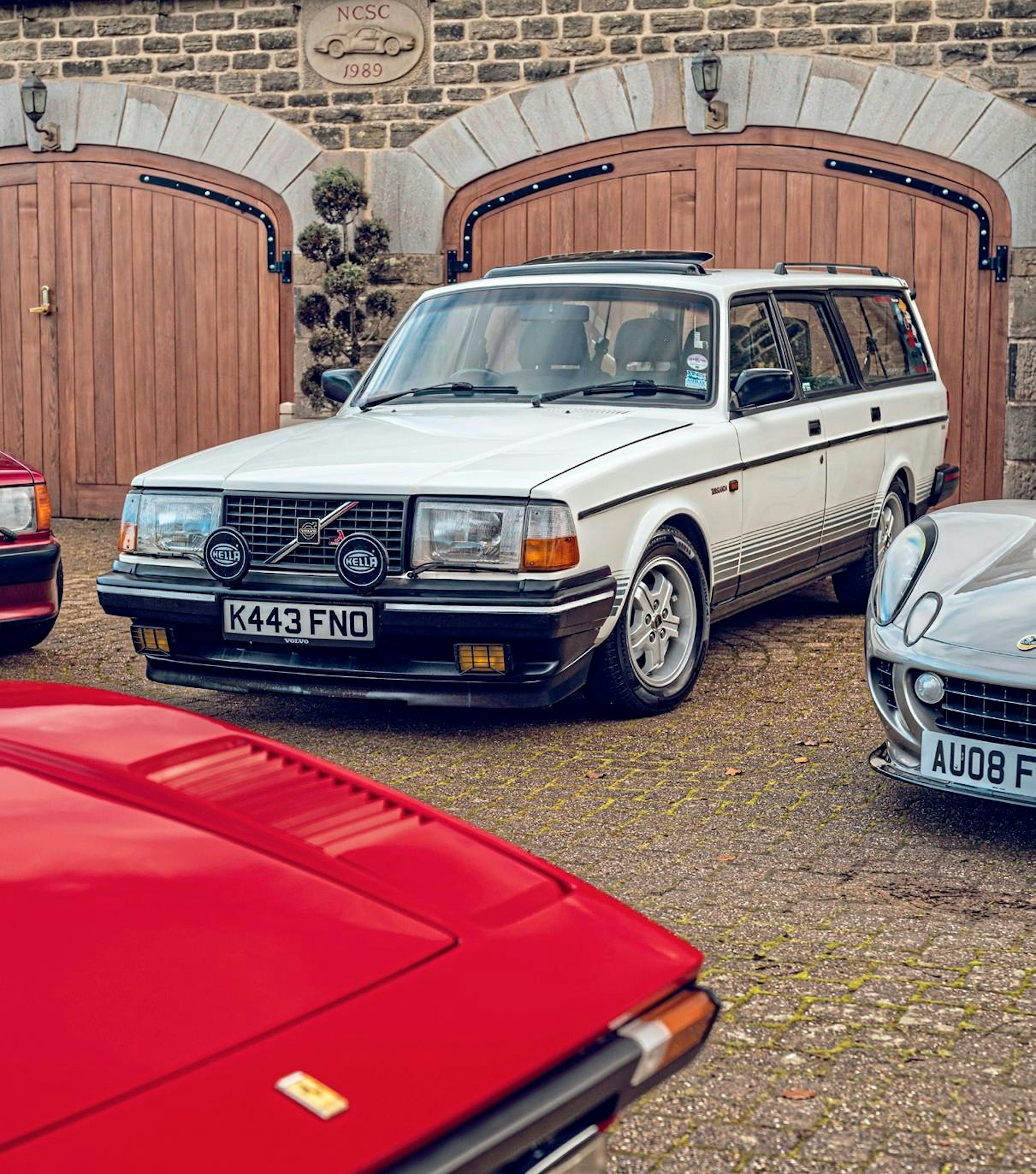
Which brings us to the genuinely iconic Audi Quattro. The 10-valve cars are currently trading at a 40 percent discount over the 20-valve cars. With other sporting Audi models up anywhere from three to ten percent, expect that gap to narrow as buyers who missed out on the hyped halo model reset their horizons.
And the Ferrari 308GTB… It teases with seductive looks, tactile handling, delicious acoustics and – in carburettor-fed form, exciting urge. Layer in robustness and relative simplicity and it’s no surprise prices are starting to pick up again. It’s in good company; the Seventies-Nineties Ferrari era seems a sweet spot right now with some models showing double-digit growth.
Once again, the world is full of uncertainty, and there’s no telling if the window to buy these cars will be short or long. As the younger buying demographic grows, our choices will be in ever greater demand. So, arm yourself with Classic Cars analysis and up-to-date prices, jump in when the time is right and enjoy while you can. The next wave of desirability is already on the horizon.
Subscribe to Classic Cars today. Choose a Print+ Subscription and you'll get instant digital access and so much more. PLUS FREE UK delivery.